Nepal is only about 200 km from north to south, but it holds the world’s highest mountains, medieval cities, jungle full of rhinos and the birthplace of the Buddha. You could spend a lifetime here and still not see it all, so we have ranked the ten places most worth your time in 2026.
We judged each place on how unforgettable it is, how much there is to do, and how well it fits into a first or second trip. Some are an easy drive from Kathmandu. Others take a mountain flight and a few days on foot.
1. The Everest region
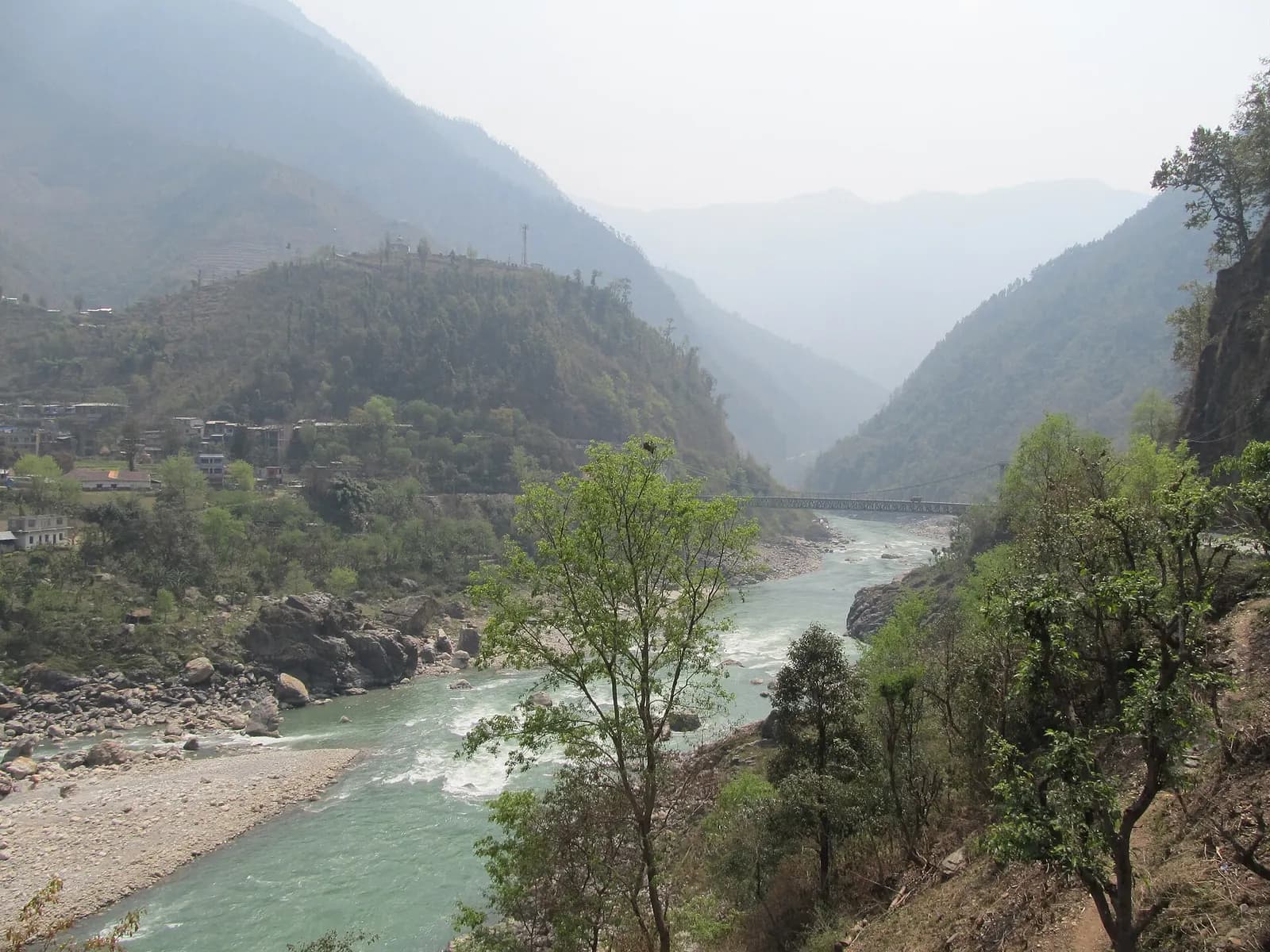
There is only one Everest, and walking into its shadow is the trip most people picture when they think of Nepal. Flights land at Lukla (2,860 m), and from there the trail follows the Dudh Koshi river through Sagarmatha National Park, a UNESCO World Heritage Site, to Namche Bazaar, the Sherpa trading town, and on to the monastery at Tengboche.
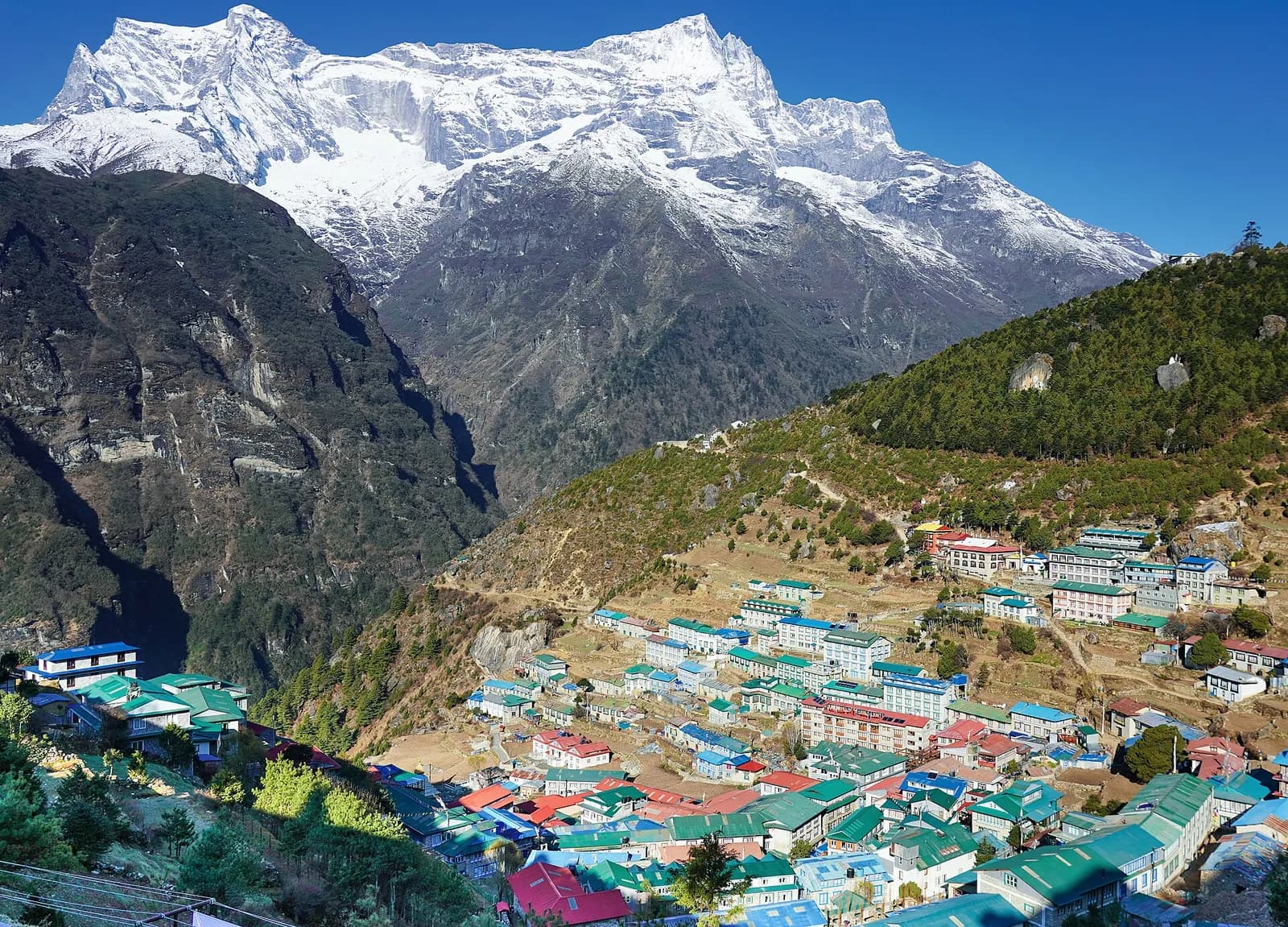
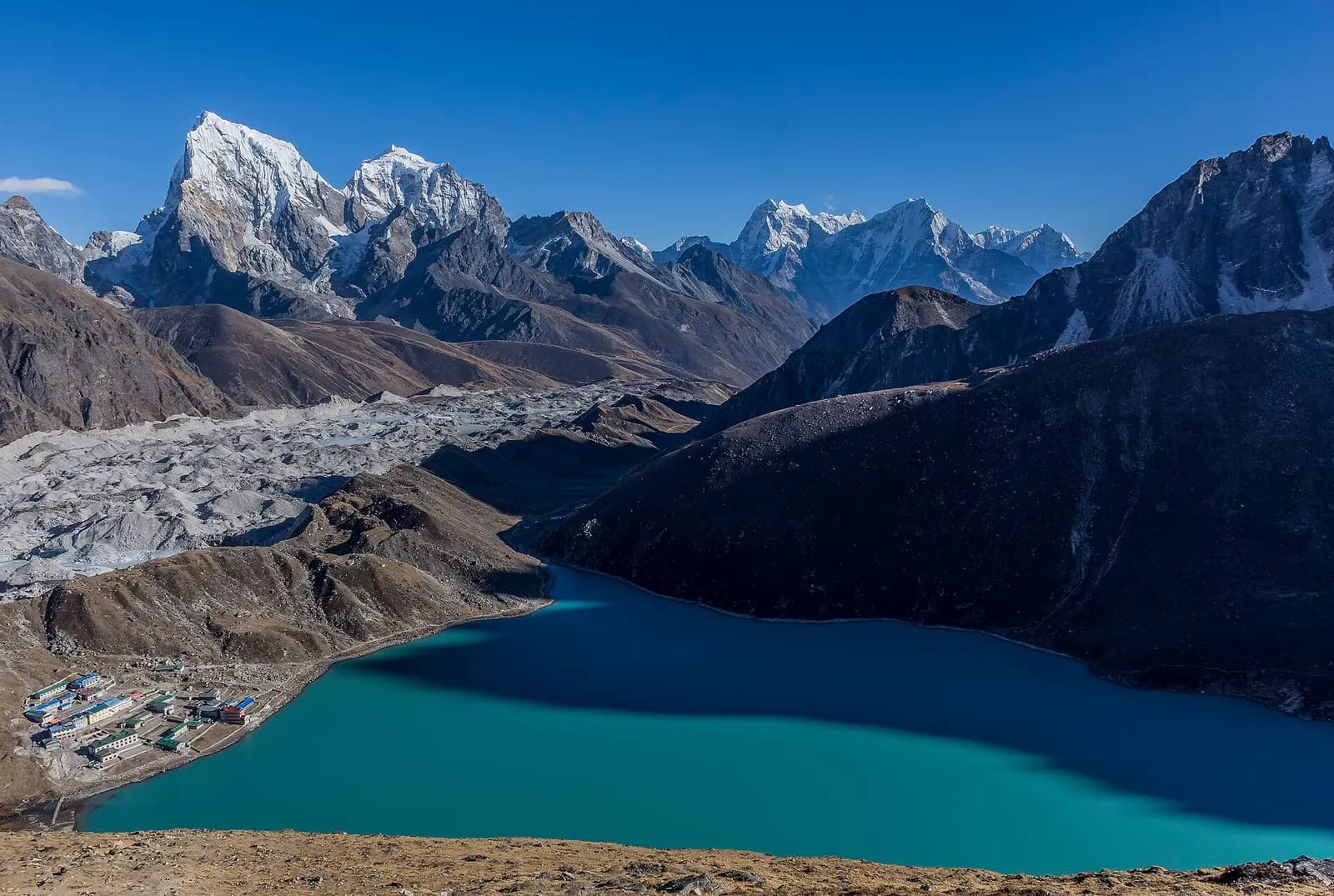
The classic Everest Base Camp trek takes about two weeks and reaches 5,364 m at base camp, with the best view of the summit from Kala Patthar at sunrise. For quieter trails, the Gokyo lakes are a chain of turquoise glacial lakes in the next valley to the west. Short on time? A shorter walk to Namche and the viewpoints above it still shows you Everest, Lhotse and Ama Dablam.
Getting there: a mountain flight from Kathmandu or Ramechhap to Lukla. When to go: October to November and March to May.
2. The Kathmandu Valley
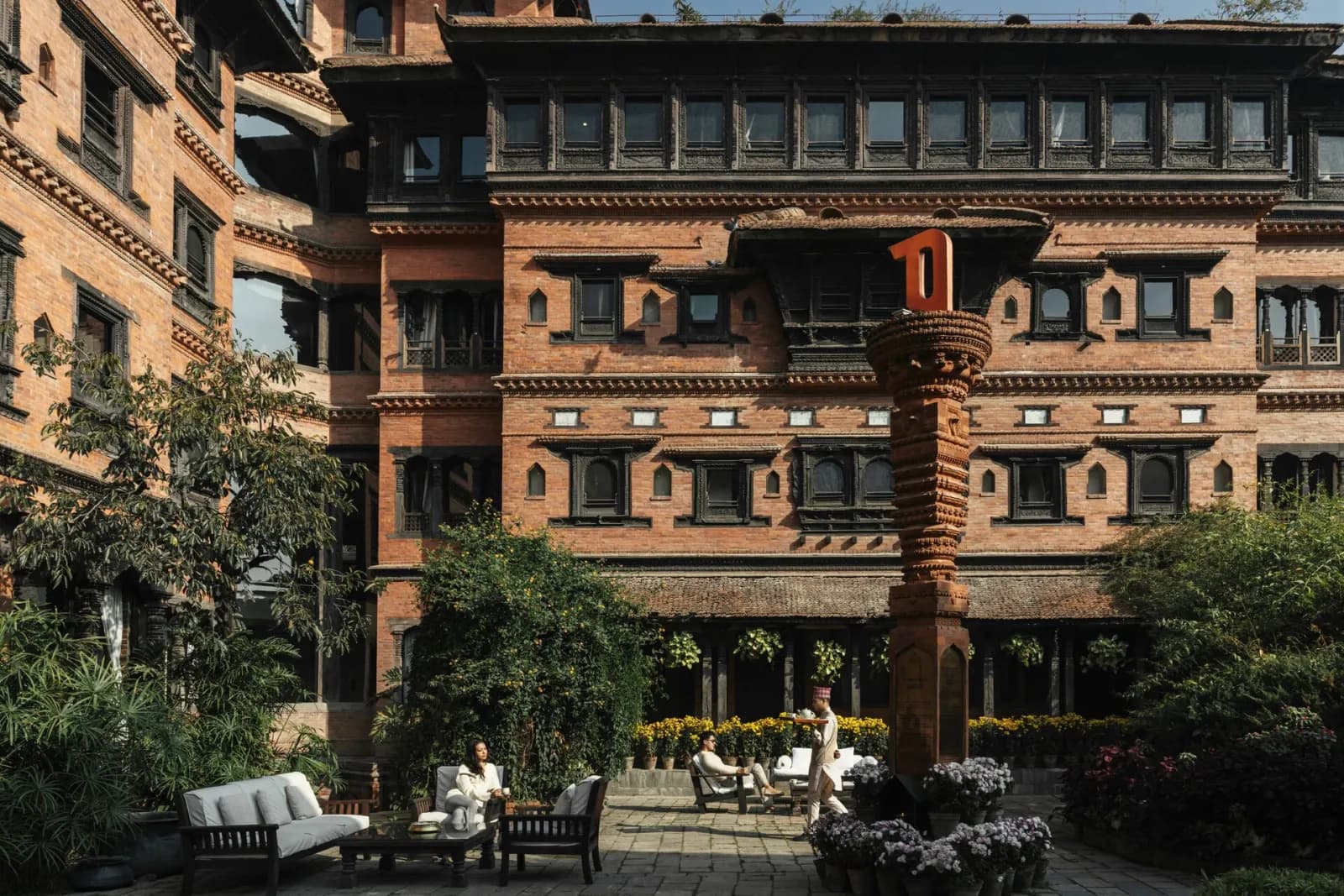
Every trip starts here, and the valley deserves more than a night between the airport and a trailhead. It has seven UNESCO-listed monument zones: the Durbar Squares of Kathmandu, Patan and Bhaktapur, the stupas of Boudhanath and Swayambhunath, and the Hindu temples of Pashupatinath and Changu Narayan.
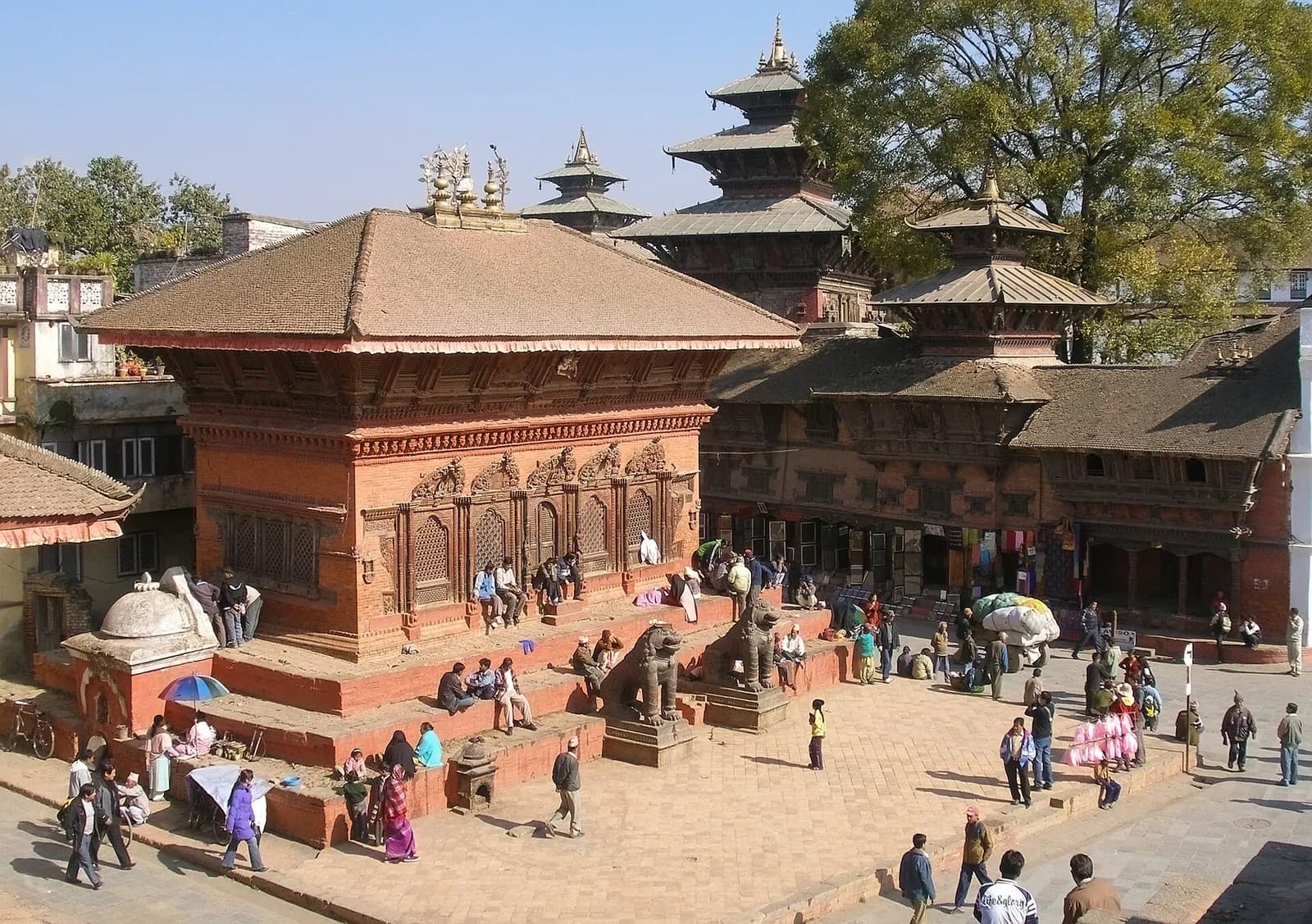
Walk the kora around Boudhanath at dusk with the pilgrims, watch the evening aarti by the river at Pashupatinath, and stay a night in Bhaktapur, whose brick squares are at their best after the day-trippers leave. In between, eat momos and a Newari feast, and browse the old trading streets of Asan. Our guide to the best things to do in Kathmandu has the details.
Getting there: Tribhuvan International Airport, in the city. When to go: October to November and March to April. Allow three to four days.
3. Pokhara
Pokhara is where Nepal slows down. The lakeside town sits on Phewa Lake with the Annapurnas and the fishtail peak of Machhapuchhre rising behind it, close enough to fill the sky on a clear morning. Watch sunrise from Sarangkot, row out to the Tal Barahi temple on its island, walk up to the World Peace Pagoda, or paraglide from Sarangkot down to the lakeshore.
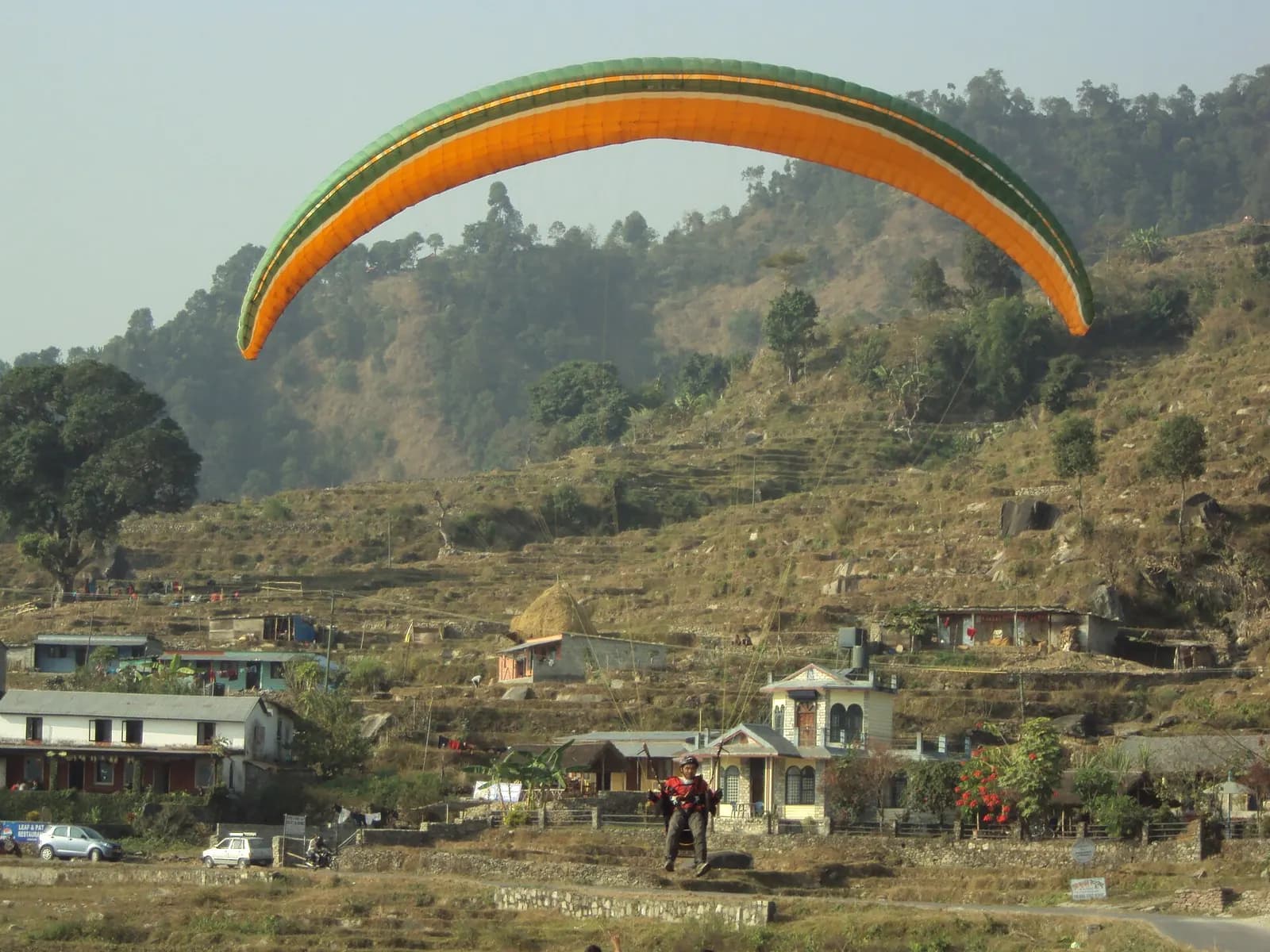
It is also the gateway to the Annapurna treks, so most visitors pass through more than once. See the best things to do in Pokhara.
Getting there: a 25-minute flight or 6 to 8 hours by road from Kathmandu. Kathmandu to Pokhara compares the options. When to go: October to November and March to April.
4. The Annapurna Sanctuary
Annapurna Base Camp sits at 4,130 m in a high bowl of glaciers ringed by Annapurna I, Annapurna South, Hiunchuli and Machhapuchhre, a sacred peak that is closed to climbers. Waking up there as the sun turns the peaks gold all around you is one of the great moments in trekking.
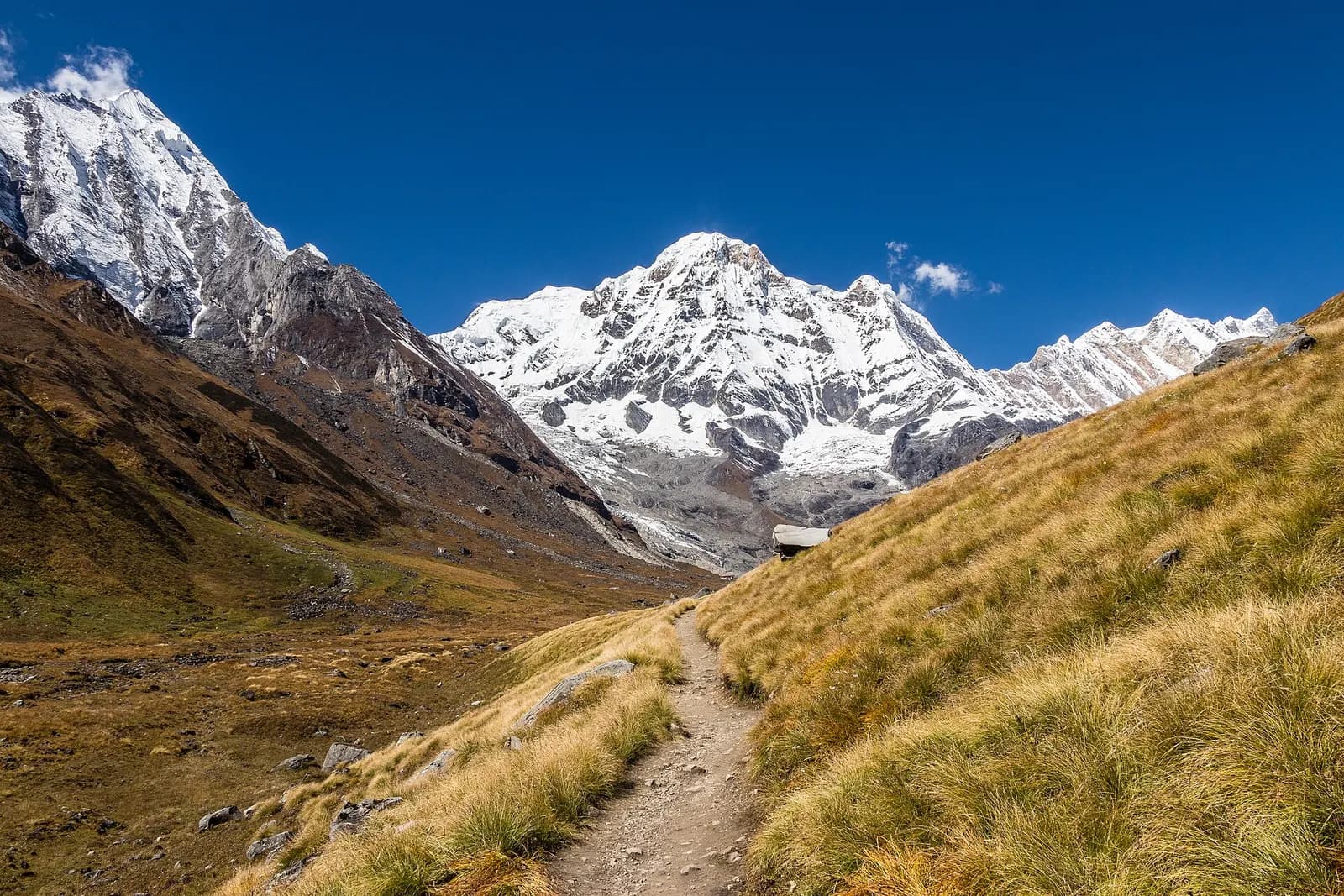
The Annapurna Base Camp trek takes 7 to 11 days from Pokhara, through Gurung villages such as Chhomrong and forests of bamboo and rhododendron. Short on time? Poon Hill gives you a famous Himalayan sunrise in four days, and Mardi Himal follows a quiet ridge right below Machhapuchhre.
Getting there: treks start with a short drive from Pokhara. When to go: October to November and March to April.
5. Chitwan National Park
Head south from the mountains and you reach a different Nepal: the flat, green Terai, with rice fields, Tharu villages and Chitwan National Park, Nepal’s first national park and a UNESCO World Heritage Site. On a jeep safari, a canoe trip on the Rapti River or a guided jungle walk, you have a very good chance of seeing greater one-horned rhinos, as well as gharial crocodiles, deer and hundreds of species of birds. Bengal tigers live here too, but sightings are rare.
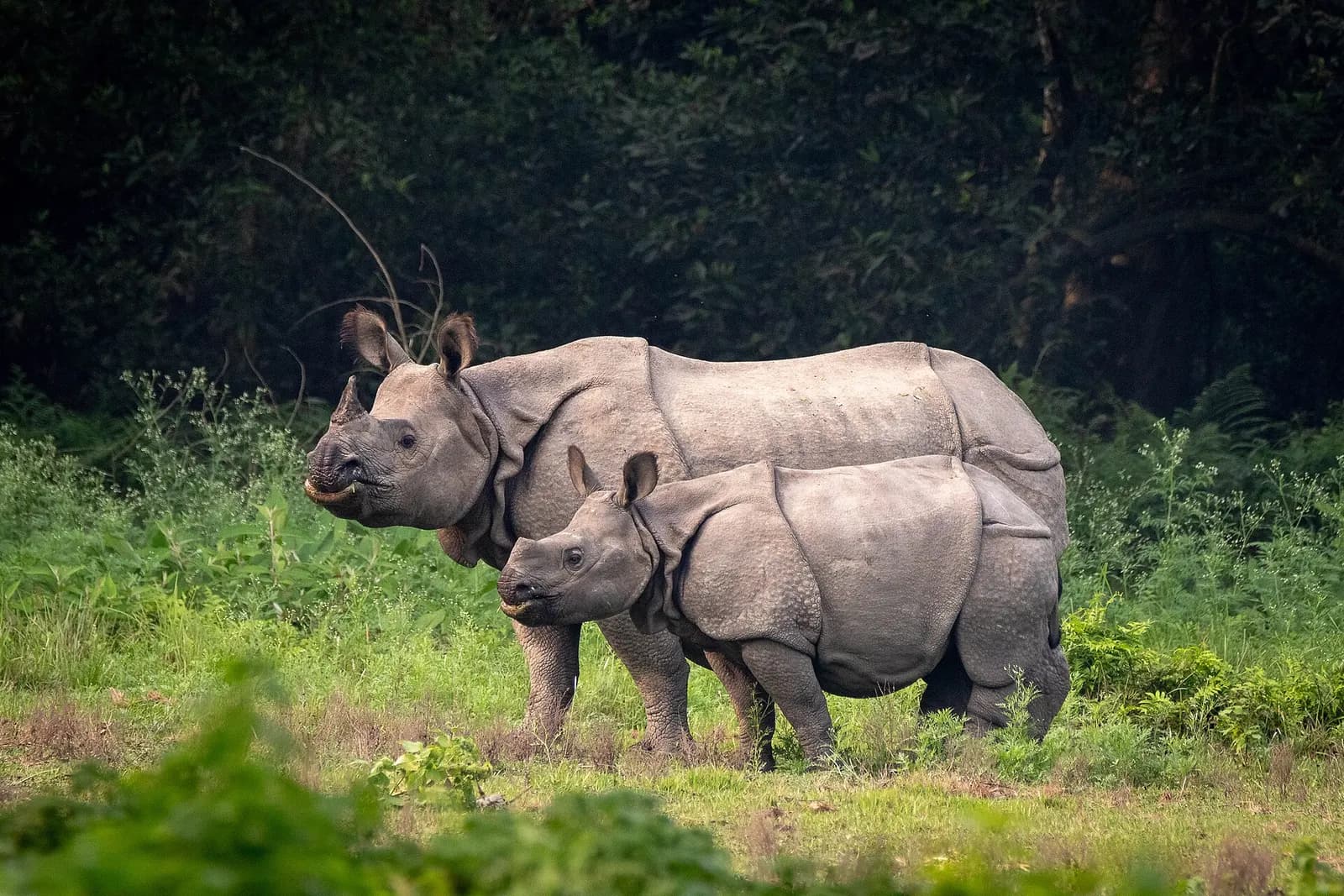
Getting there: 5 to 6 hours by tourist bus from Kathmandu or Pokhara, or fly to Bharatpur and take a 30-minute taxi to Sauraha. When to go: October to March, when the grass is cut and animals are easier to spot. Our Chitwan guide compares the safaris.
6. Upper Mustang
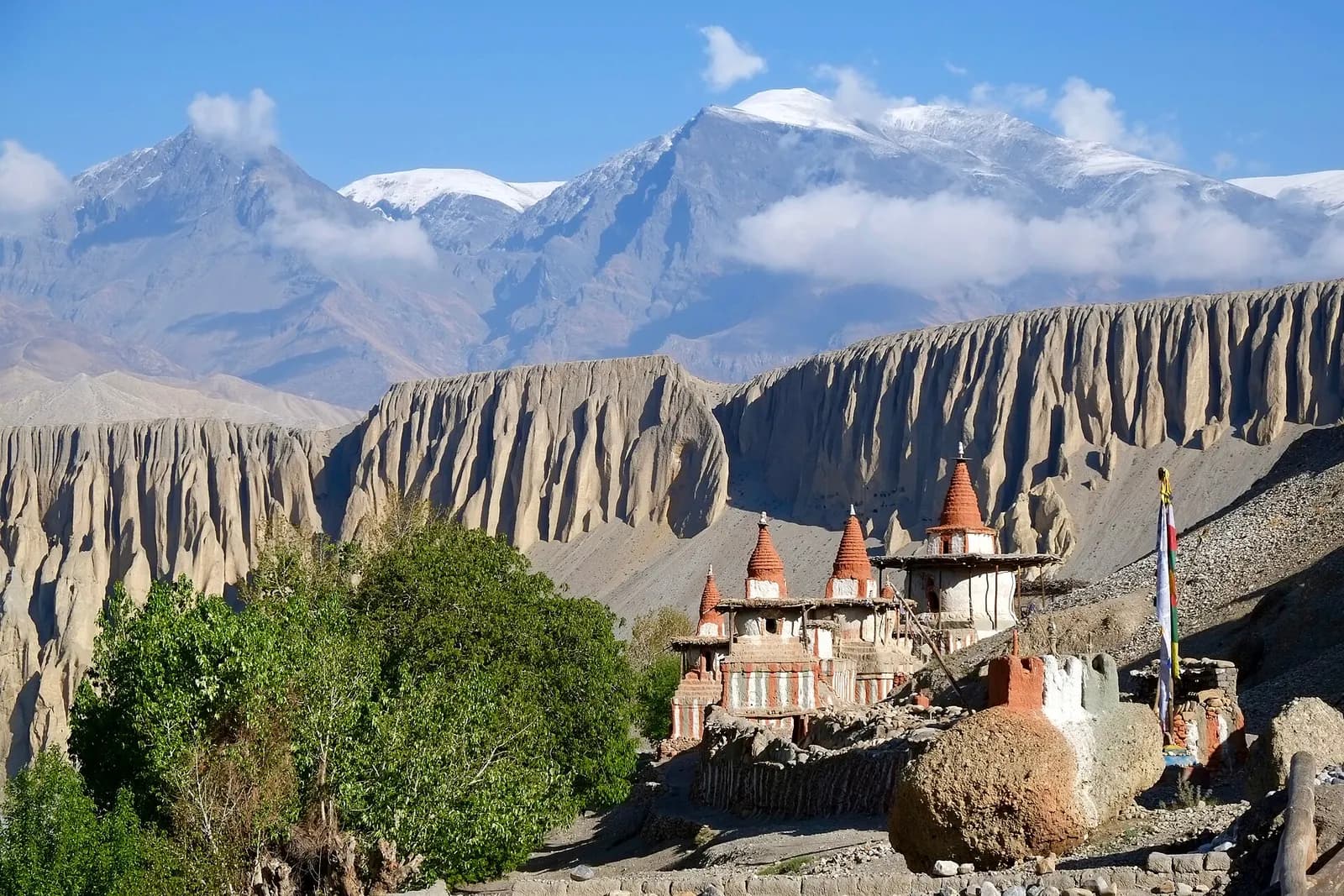
Beyond the Annapurnas, in their rain shadow, lies the old Kingdom of Lo: a high, dry land of wind-carved cliffs, cave dwellings and whitewashed villages that stayed closed to outsiders until 1992. Its walled capital, Lo Manthang, keeps its 15th-century monasteries and royal palace, and the culture is closer to Tibet’s than to Kathmandu’s.
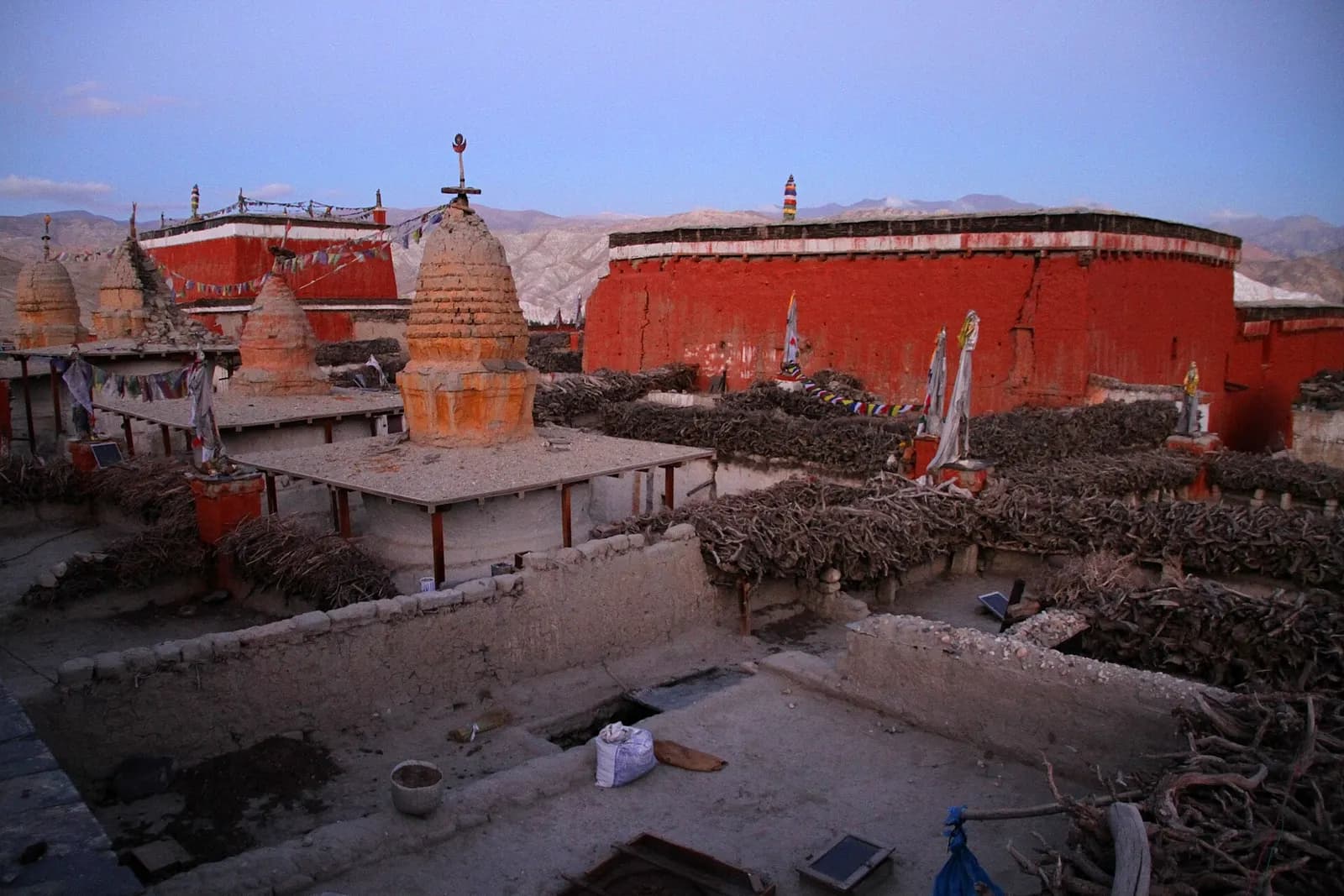
Treks from Jomsom take around 10 to 12 days, or you can travel by jeep on the road that now reaches Lo Manthang. You need a restricted-area permit and a licensed guide, which your operator arranges. For a very different way to see the region, read about Shinta Mani Mustang, the luxury lodge above Jomsom.
Getting there: fly from Pokhara to Jomsom, then trek or drive north. When to go: March to November. It gets little rain even in the monsoon, and the Tiji festival in Lo Manthang, usually in May, is the highlight of the year.
7. Lumbini
Lumbini, in the plains near the Indian border, is where the Buddha was born and one of the holiest places in the world for Buddhists. The Maya Devi Temple marks the spot, beside the sacred pool and the stone pillar the Indian emperor Ashoka raised in the third century BC. Around it, the Monastic Zone holds temples built by Buddhist communities from around the world, from Thailand, Myanmar and China to Vietnam and Germany, each in its own style.
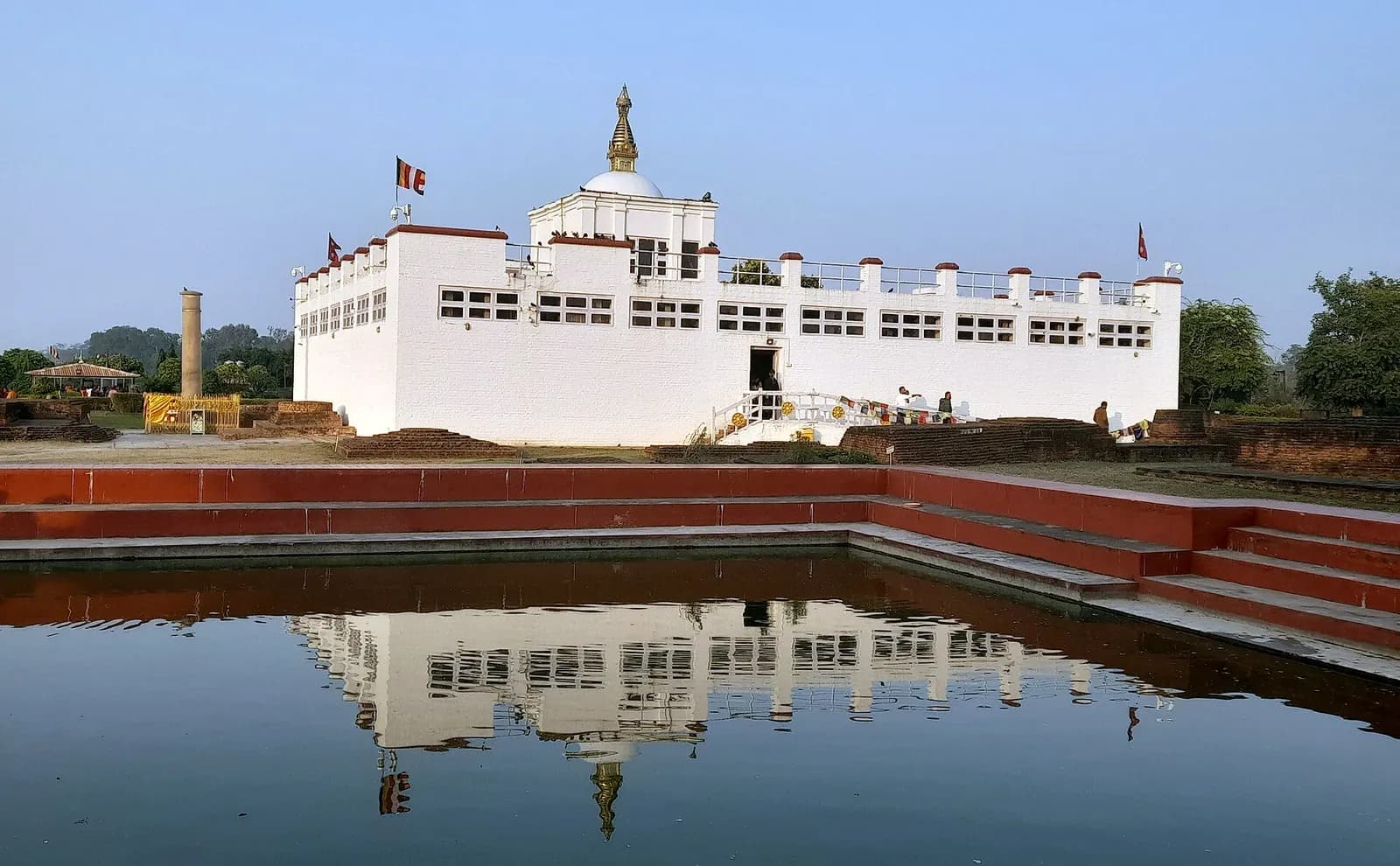
The site is large and flat, so hire a bicycle or an e-rickshaw to get around, and stay overnight to see the temples in the quiet of early morning.
Getting there: fly from Kathmandu to Bhairahawa, about half an hour’s drive away, or come by road from Chitwan in around 4 to 5 hours. When to go: October to March. Summers on the plains are very hot.
8. The Langtang Valley
Langtang is the closest major trek to Kathmandu, and one of the most rewarding for its length. A day’s drive north to Syabrubesi and three days on foot take you from forest into a wide glacial valley below Langtang Lirung, to the village and monastery of Kyanjin Gompa at about 3,850 m. Climb Kyanjin Ri for the view, try the local yak cheese and stay in lodges run by Tamang families.
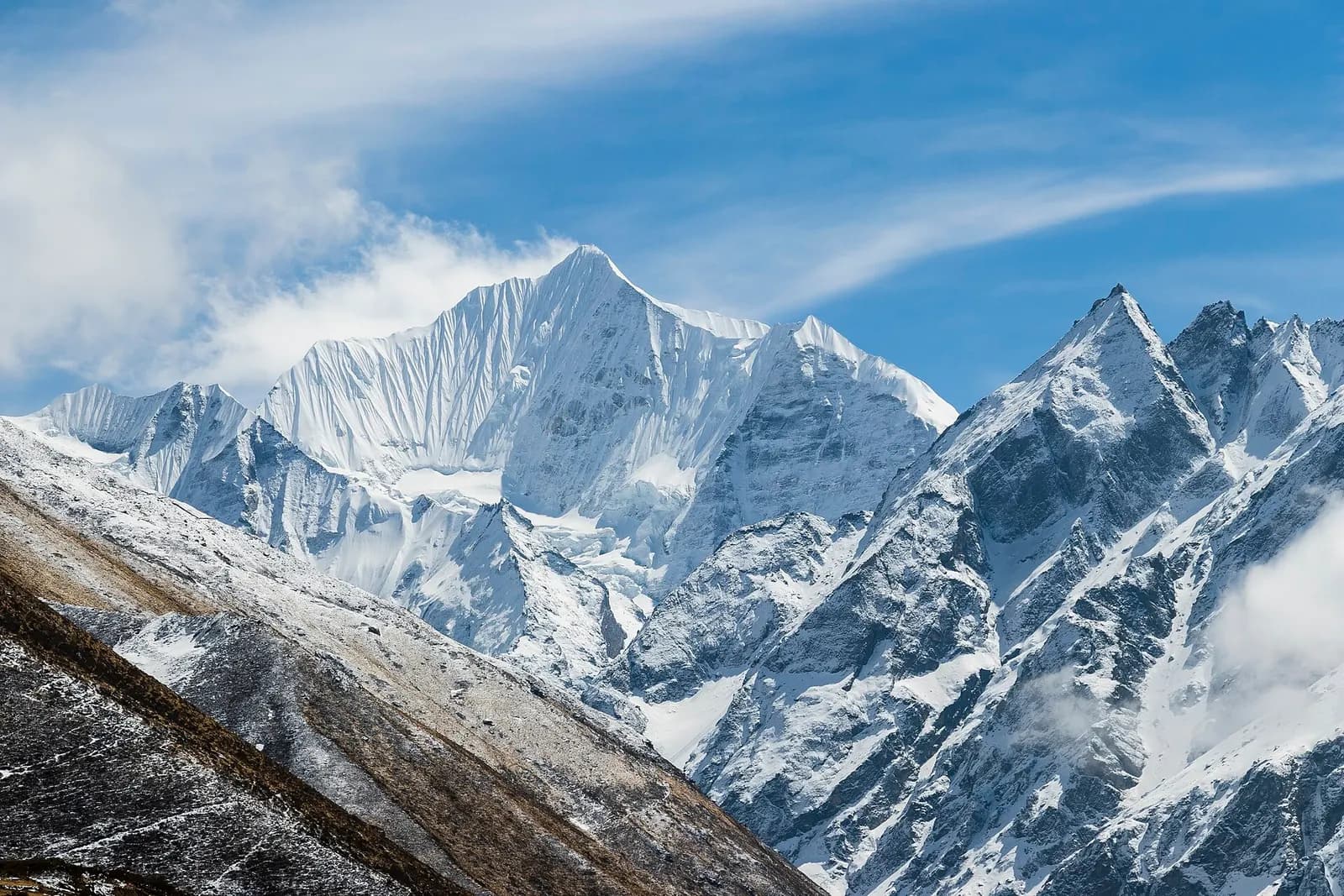
Langtang village was destroyed by an avalanche in the 2015 earthquake and has since been rebuilt, and trekkers’ business is a big part of its recovery. The whole trek takes about a week, and you can add the sacred lakes of Gosaikunda on the way back.
Getting there: 7 to 8 hours by jeep or bus from Kathmandu to Syabrubesi. When to go: October to November and March to May.
9. Bandipur
Halfway between Kathmandu and Pokhara, Bandipur is an old Newar trading town on a ridge that the highway passed by. Its main bazaar is closed to traffic and lined with restored merchant houses, temples and cafés, and on clear mornings the Himalaya stretches across the northern horizon.
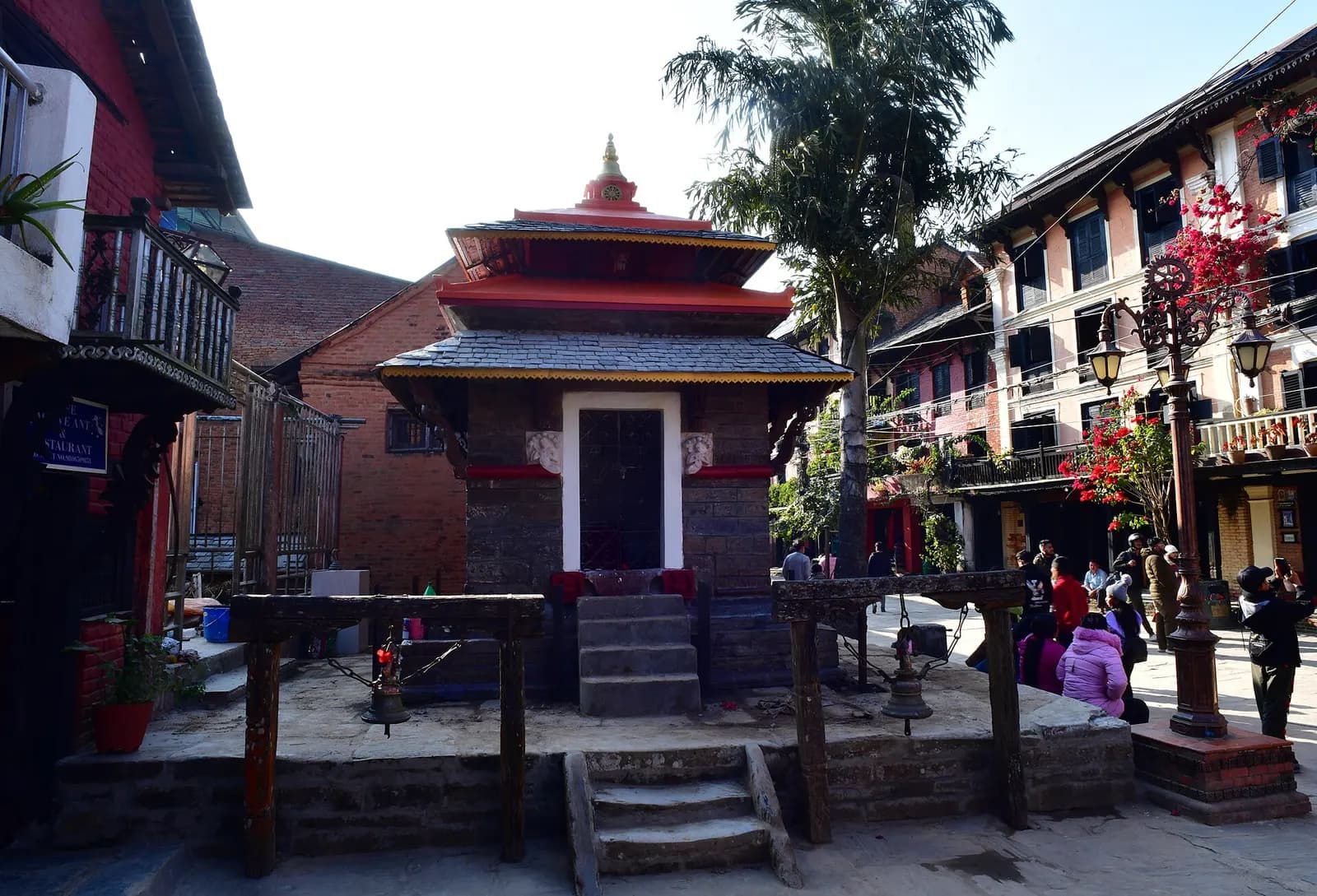
It makes an easy overnight stop on the way to Pokhara. Walk up to the Thani Mai temple for sunrise, or down to Siddha Cave, one of the largest caves in Nepal. See our weekend getaways from Kathmandu for more.
Getting there: about 5 hours by road from Kathmandu, turning off the highway at Dumre. When to go: October to April.
10. Rara Lake
In the far north-west, Rara is Nepal’s largest lake: a sheet of clear blue water at almost 3,000 m, ringed by pine and juniper forest in the country’s smallest national park. Few visitors make it this far, which is the appeal. Walk the trail around the lake in a day, sleep in a simple lodge, and you may have the shore to yourself.
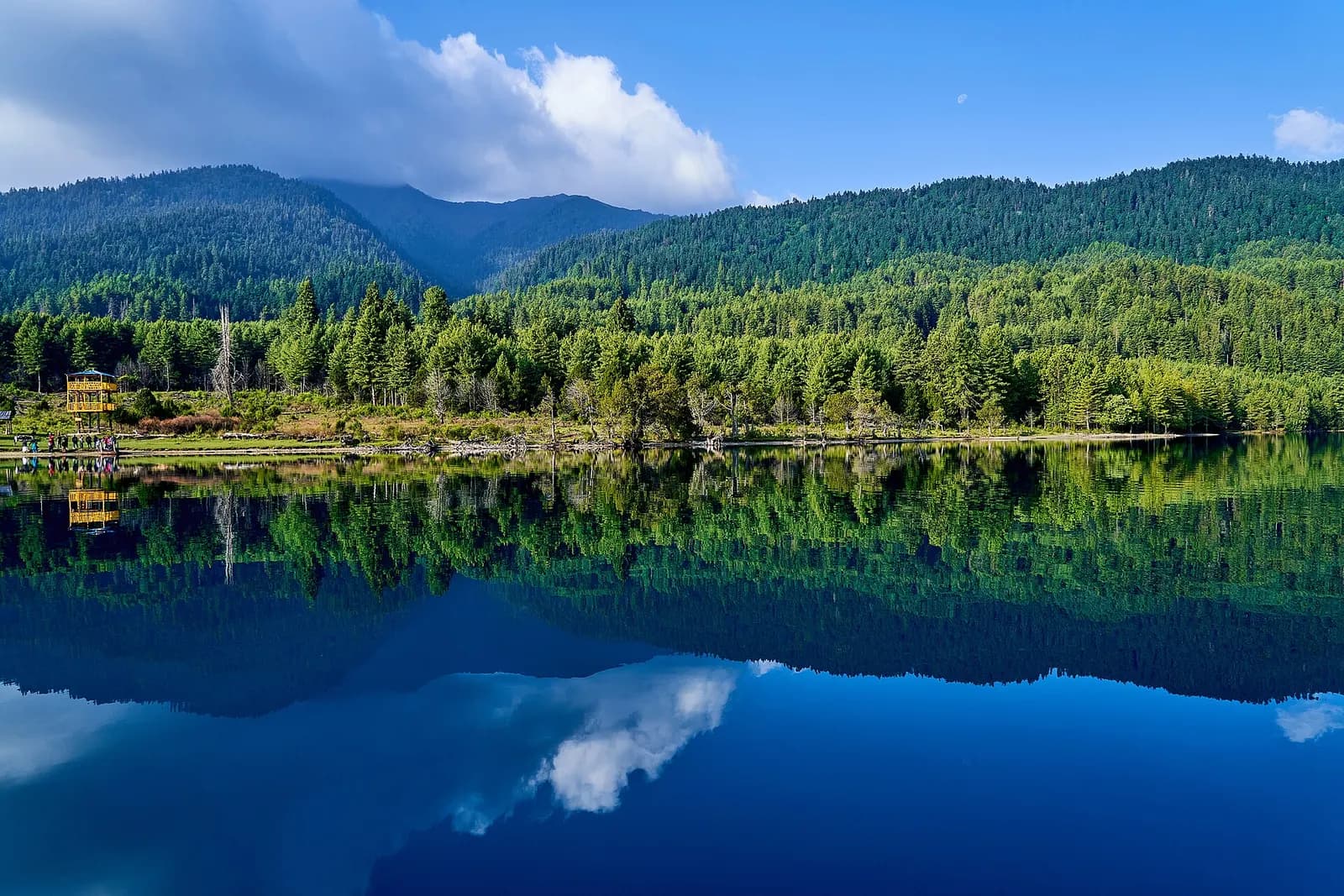
Getting there: fly from Nepalgunj to Talcha, the airstrip nearest the lake, or make the long journey by road. When to go: September to November and April to June. Winter brings snow and cold.
The ranking at a glance
| Rank | Place | Best for | Best time to go |
|---|---|---|---|
| 1 | Everest region | Trekking, Sherpa villages, Everest views | Oct–Nov, Mar–May |
| 2 | Kathmandu Valley | Temples, stupas, food | Oct–Nov, Mar–Apr |
| 3 | Pokhara | Lakeside stays, paragliding, mountain views | Oct–Nov, Mar–Apr |
| 4 | Annapurna Sanctuary | A classic trek to base camp | Oct–Nov, Mar–Apr |
| 5 | Chitwan National Park | Rhinos and jungle safaris | Oct–Mar |
| 6 | Upper Mustang | Tibetan culture and desert landscapes | Mar–Nov |
| 7 | Lumbini | The Buddha’s birthplace | Oct–Mar |
| 8 | Langtang Valley | A week’s trek close to Kathmandu | Oct–Nov, Mar–May |
| 9 | Bandipur | An old town with mountain views | Oct–Apr |
| 10 | Rara Lake | A remote lake and quiet trails | Sep–Nov, Apr–Jun |
Honourable mentions
Ten wasn’t enough. Just missing out are the Manaslu Circuit, turquoise Phoksundo Lake in Dolpo, Bardia National Park for tigers, and the tea gardens of Ilam in the far east.
Fitting them into one trip
Two weeks covers five of these at a steady pace:
- Days 1–3, Kathmandu Valley: the Durbar Squares, the stupas and a night in Bhaktapur.
- Day 4, Bandipur: a night in the old bazaar on the way west.
- Days 5–6, Pokhara: the lake, Sarangkot and the Peace Pagoda.
- Days 7–10, Poon Hill: a four-day trek with a Himalayan sunrise.
- Days 11–12, Chitwan: two nights of safaris.
- Days 13–14, Lumbini: the Buddha’s birthplace, then fly back to Kathmandu from Bhairahawa, ideally a day before your flight home.
With three weeks, add the Everest region, the Annapurna Sanctuary or Langtang. Save Upper Mustang and Rara Lake for a second trip, when you can give each a week or more. Most nationalities can get a tourist visa on arrival at Kathmandu airport, and our trekking permits guide covers the treks.
Wondering how Nepal compares with the rest of the world? See where it lands in our top 10 travel destinations in the world.
Frequently asked questions
What is the most beautiful place in Nepal?
It comes down to taste, but the Annapurna Sanctuary, the Gokyo lakes in the Everest region and Rara Lake are hard to beat. For a view you can reach without trekking, watch the sun rise over the Annapurnas from Sarangkot, above Pokhara.
How many days do you need to see the best of Nepal?
Two weeks covers the Kathmandu Valley, Bandipur, Pokhara, Chitwan and Lumbini with a short trek. Allow three weeks to add a longer trek such as Everest Base Camp or Annapurna Base Camp, and plan a separate trip for remote areas like Upper Mustang or Rara Lake.
When is the best time to visit Nepal?
October and November bring the clearest mountain views, and March to May is the second-best season, with rhododendrons in flower. Chitwan and Lumbini are best from October to March, before the plains get hot. The summer monsoon brings heavy rain to most of the country, but Upper Mustang, in the rain shadow, gets very little.
Can you see Mount Everest without trekking?
Yes. Early-morning mountain flights from Kathmandu fly along the Himalaya for a close view of Everest, and helicopter tours from Kathmandu land at viewpoints in the Khumbu. Both depend on clear weather, so book them early in your stay.
Do you need a permit to visit these places?
Not for the Kathmandu Valley, Pokhara, Bandipur or Lumbini, although heritage sites charge an entry fee. Chitwan and the trekking regions charge park or conservation area fees, and since April 2023 foreign trekkers in national parks and conservation areas have needed a licensed guide. Upper Mustang also needs a restricted-area permit. Your operator arranges them.