On this page
- Suites
- 29
- Altitude
- 2,800 m
- Minimum stay
- 5 nights
- From
- ~US$2,150 / night
Most of the world’s great hotels are easy to reach. You land in Paris or Kyoto, a car meets you, and twenty minutes later you are in the lobby. Shinta Mani Mustang asks more of you. You fly to Kathmandu, then to Pokhara, then take a small propeller plane at dawn up the Kali Gandaki gorge, between Dhaulagiri and Annapurna, before the afternoon winds close the valley. You step out at Jomsom into thin, dry air, with rust-coloured cliffs around you and the snows of Nilgiri filling the sky.
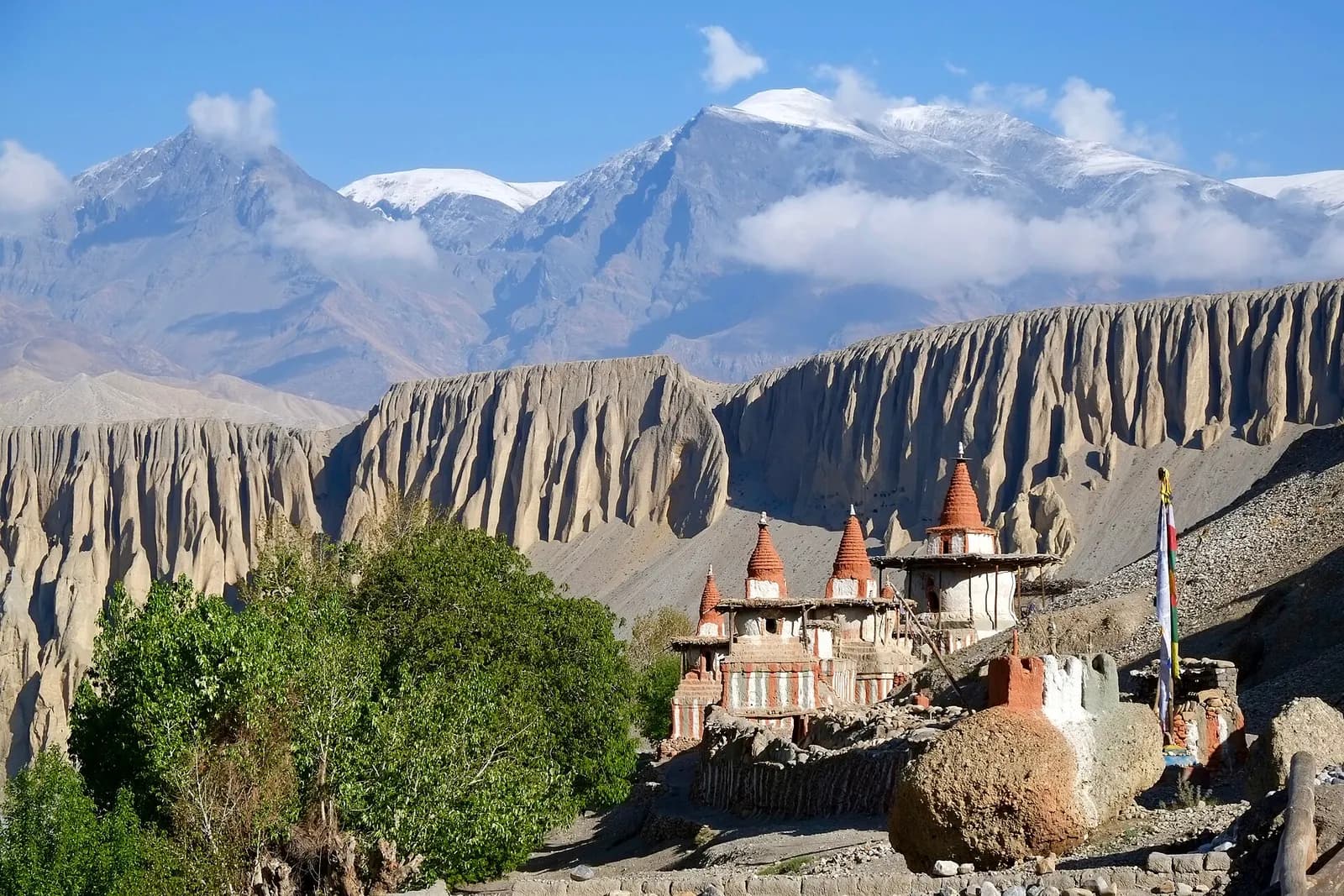
The journey is part of the point. Mustang was closed to outsiders until 1992 and still feels apart from the modern world: whitewashed villages, apple orchards, chortens and cave monasteries cut into the rock. Shinta Mani Mustang is the first true luxury lodge in the region, and in July 2026 Robb Report’s panel of travel advisers ranked it No. 1 on its list of the 50 Greatest Luxury Hotels on Earth.
Who is behind it
The lodge opened in August 2023. It is the third Shinta Mani property and the first outside Cambodia, after Shinta Mani Angkor in Siem Reap and the tented Shinta Mani Wild in the Cardamom Mountains. Shinta Mani Hotels runs it in partnership with Sherpa Hospitality Group, a Nepali family company with lodges along the Everest and Annapurna trails.
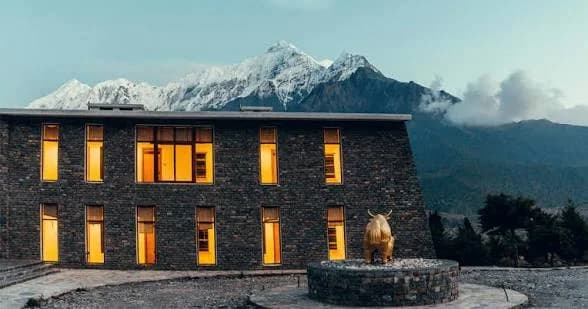
The designer is Bill Bensley, the Bangkok-based architect known for some of Asia’s most theatrical resorts. In Mustang he held back. The buildings take their shape from traditional Tibetan homes, built in local stone, slate and timber, with bold colour in small doses drawn from local art and prayer flags. Some of the furniture is made from recycled and repurposed materials. From a distance, the lodge looks like part of the valley.
The suites
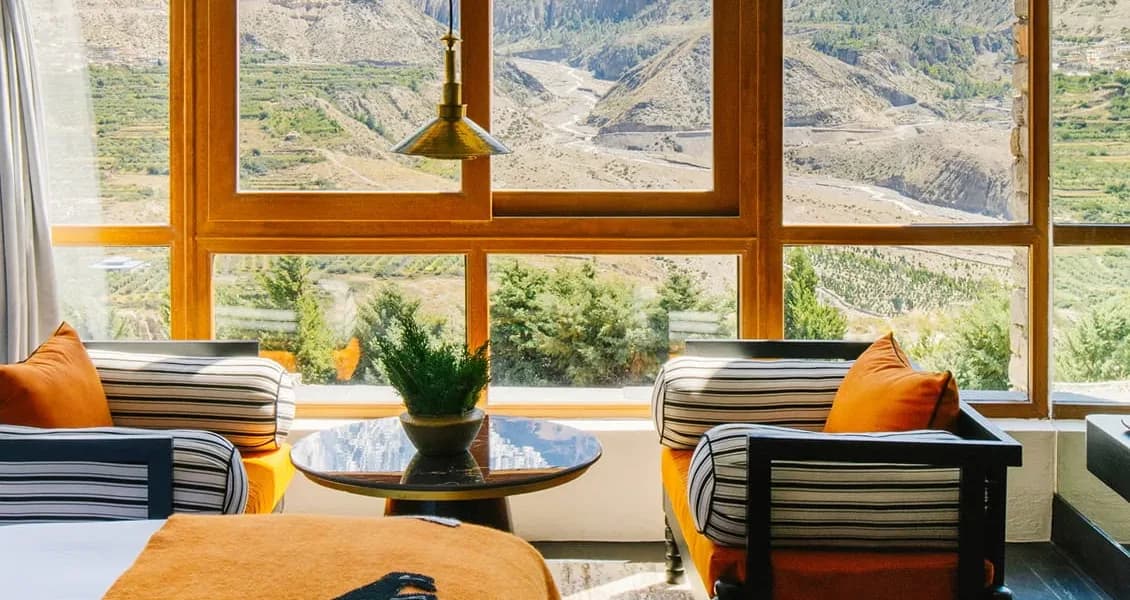
There are 29 suites of about 45 to 48 m² each. The defining feature is the glass: floor-to-ceiling windows framed on Nilgiri (7,061 m), so the first thing you see each morning is a wall of ice turning pink at sunrise. Inside, the rooms are warm against the high desert, with heated floors, layered Himalayan textiles, carved wood and a desk if you can’t fully switch off. Nights at 2,800 m are cold for much of the year, and the suites are built for it.
The spa and the amchi
The spa is where the lodge feels most rooted in its place. Each programme starts with a consultation with the resident amchi, an 11th-generation practitioner of Sowa Rigpa, traditional Tibetan medicine. The amchi then builds a plan around you, drawing on herbal baths, cupping with copper vessels and deep-tissue massage.
Two private spa suites each have a heated plunge pool, a steam room and a sauna, with large windows facing the Nilgiri range. Treatments are included in the rate and unlimited, which you will appreciate after a day of walking at altitude.
Food and drink
Meals are served at the Nilgiri Restaurant, named for the mountain in its windows. The menu mixes modern Nepali and Western cooking. Food and drink are included everywhere, whether you are in the dining room or eating a packed lunch on a ridge above Kagbeni.
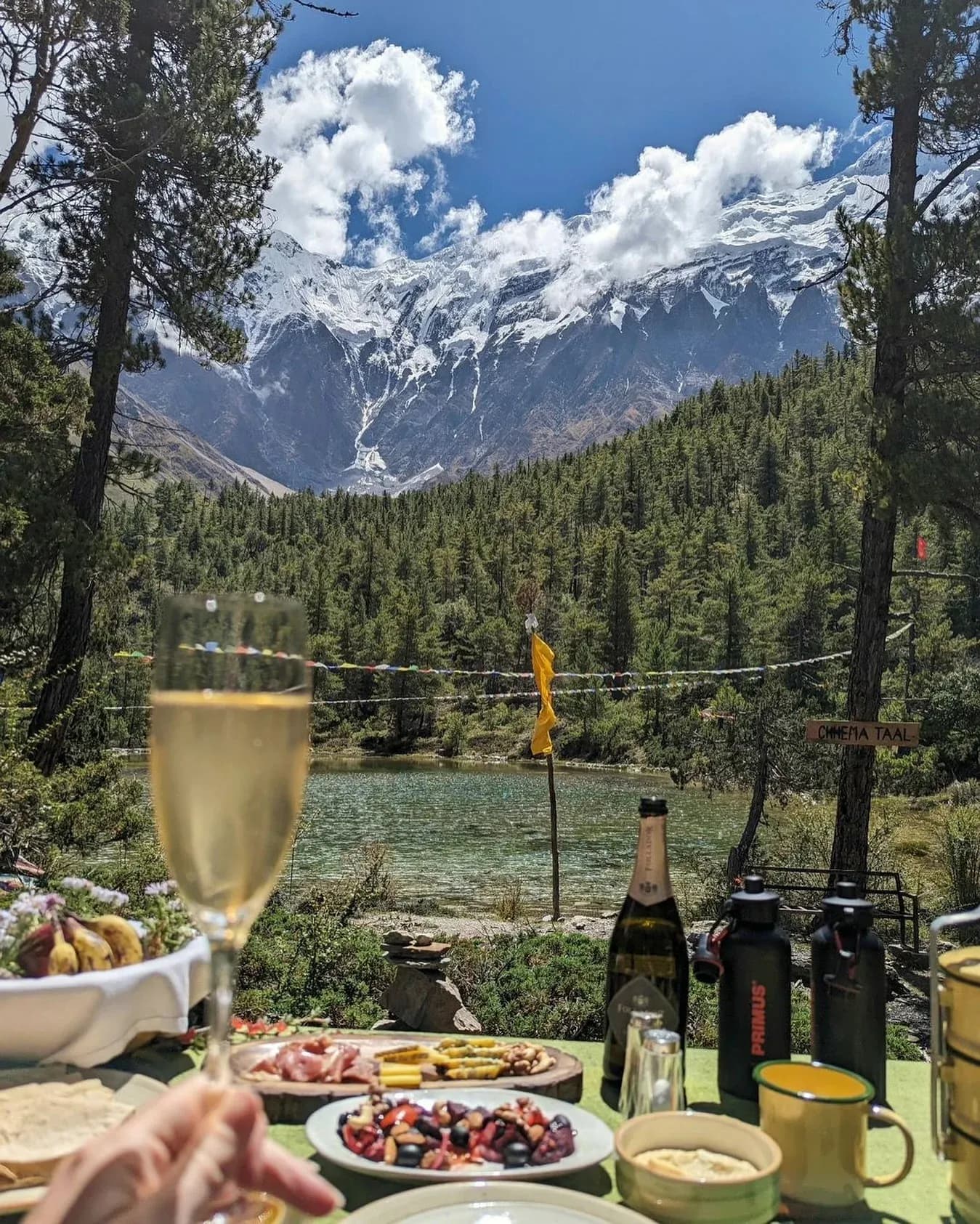
This is one of the most remote kitchens in luxury travel, and a few guests say the food is very good rather than flawless. Most agree it is a fair trade for where you are eating it.
What you do there
Private guided excursions are included, and guides plan each day around your energy and the weather.
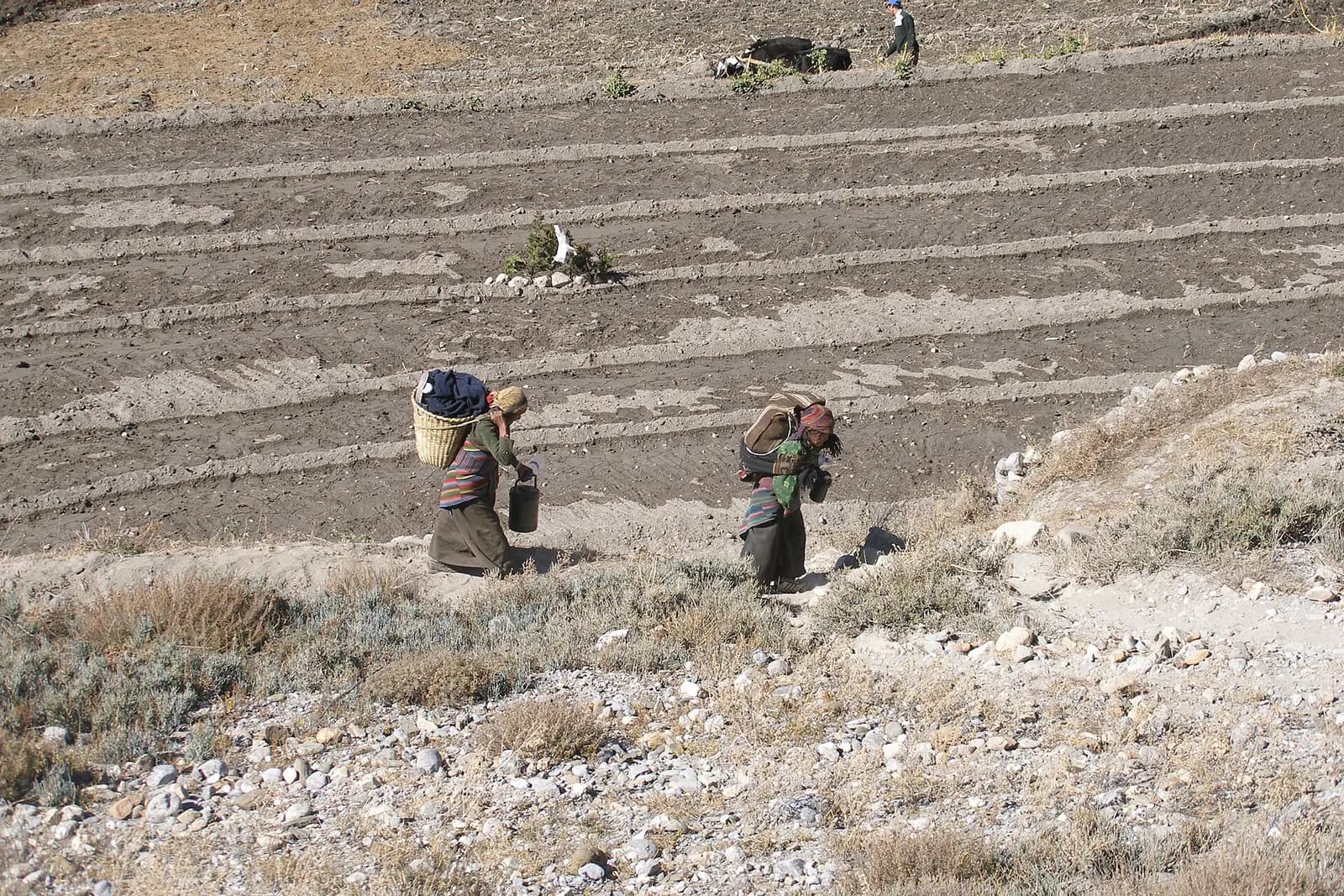
- Marpha (2,670 m). A short drive south of Jomsom, Marpha is a maze of stone houses and flagstone lanes, known for its apple orchards, apple brandy and Thakali heritage.
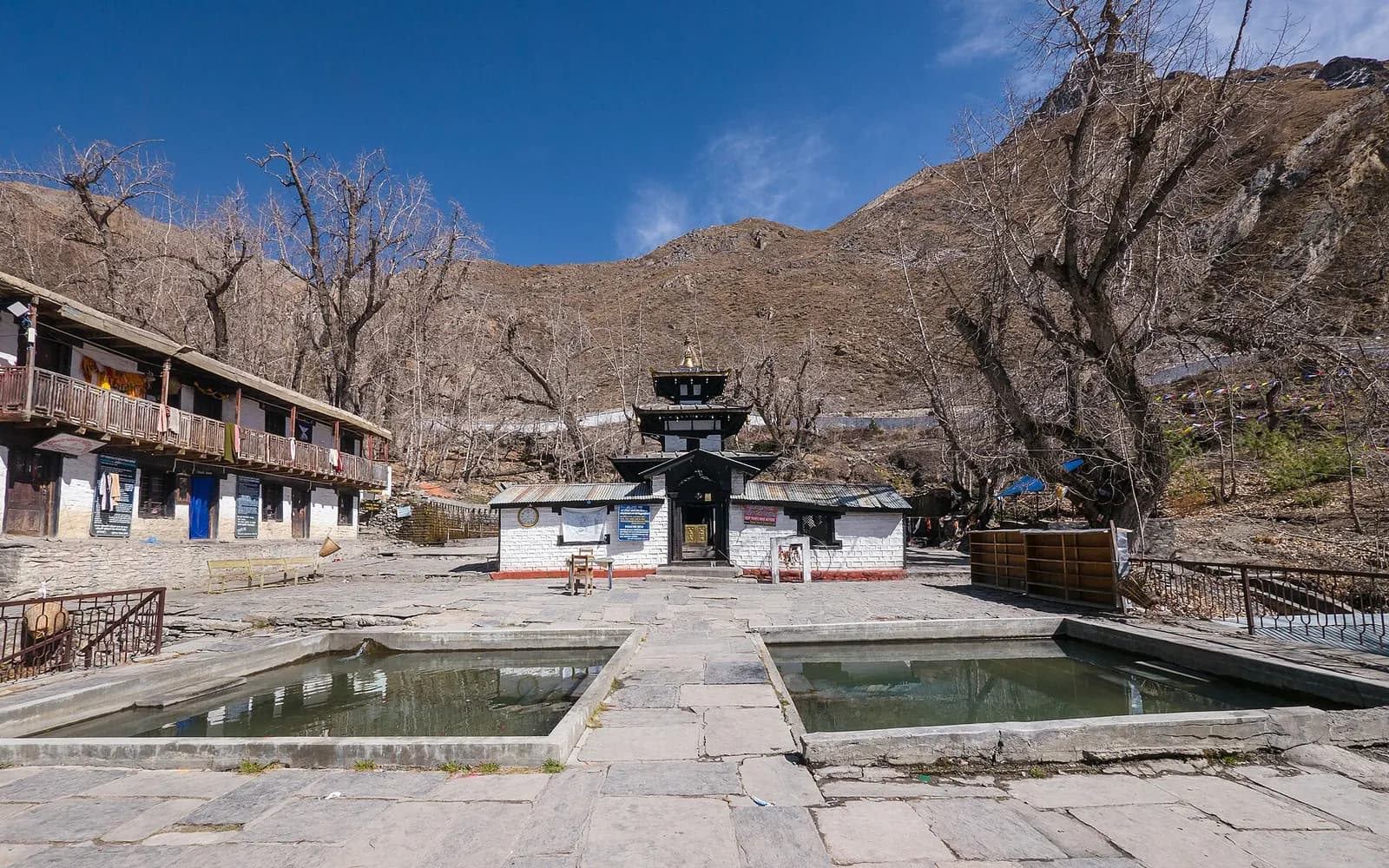
- Muktinath, Jharkot and Jhong. Muktinath (3,710 m) is sacred to both Hindus and Buddhists, who come to bathe under its 108 water spouts. The route passes the old fortress villages of Jharkot and Jhong.
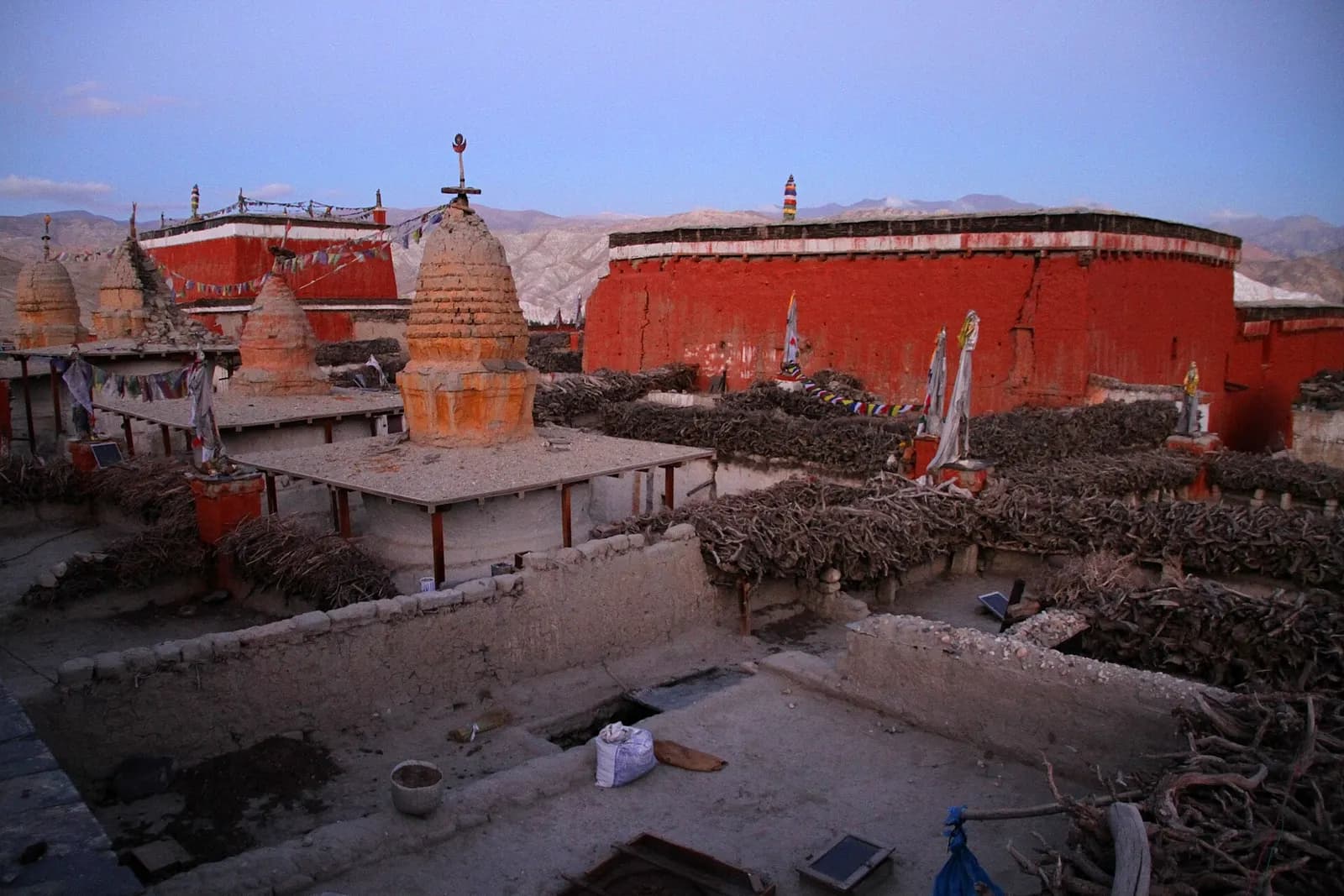
- Kagbeni (2,810 m). Mud-brick lanes and a red gompa above the meeting of two rivers, at the doorway to restricted Upper Mustang.
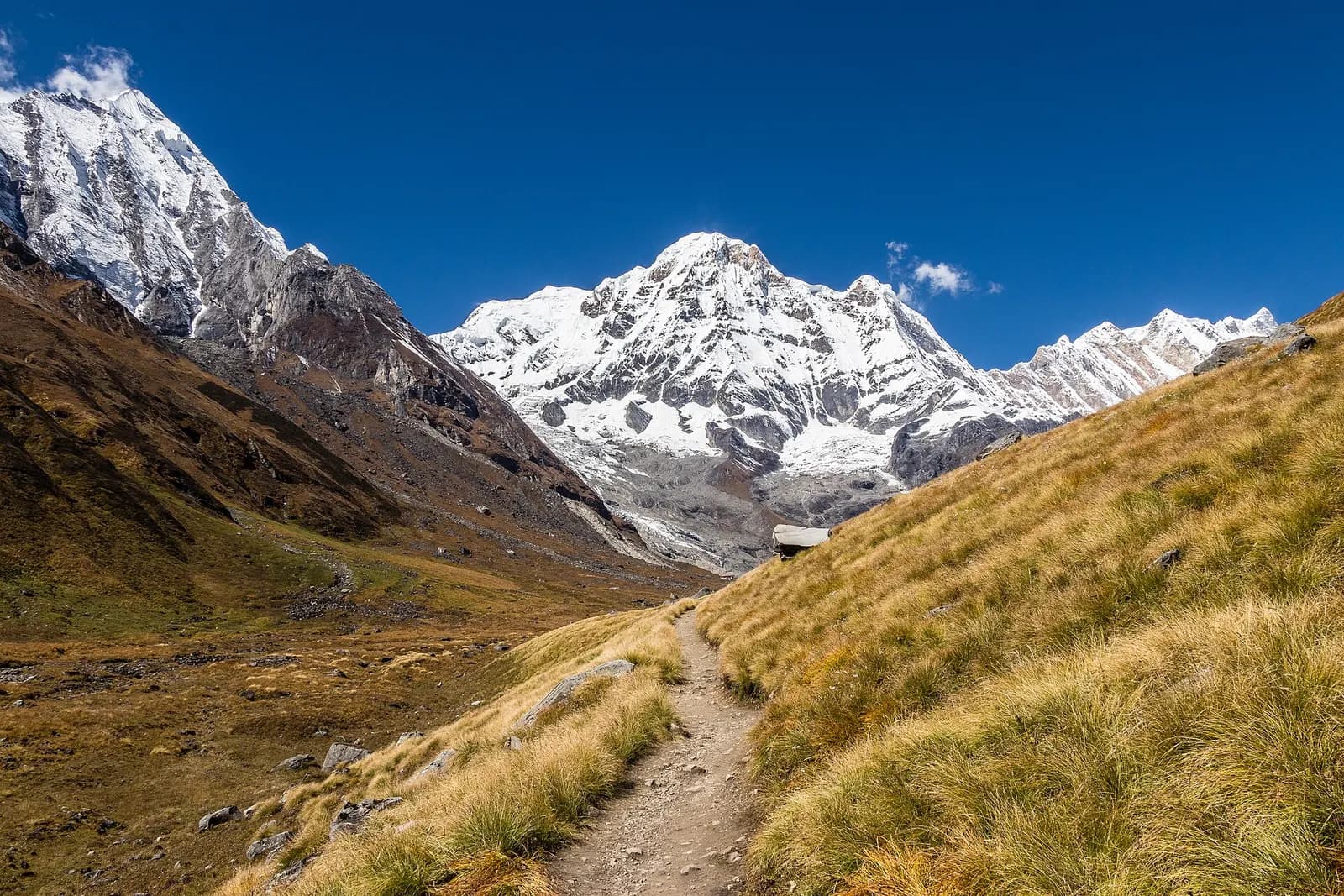
- Guided walks. Trails along the Kali Gandaki and up to viewpoints over Dhaulagiri. The riverbed is famous for shaligrams, black ammonite fossils revered as sacred stones.
- Horse riding and archery. Ride through the Jomsom valley, or try archery, a favourite sport across the Himalaya.
- Helicopter flights. Charters can reach Lo Manthang, the walled capital of Upper Mustang, and the high country beyond. These are the one experience not included in the rate, and Upper Mustang needs a special restricted-area permit.
Getting there
| Leg | How | Time | Altitude on arrival |
|---|---|---|---|
| Kathmandu to Pokhara | Flight | ~25 min | 822 m |
| Pokhara to Jomsom | Flight | ~20 min | 2,720 m |
| Jomsom to the lodge | Transfer | Short drive | 2,800 m |
| Kathmandu to the lodge | Charter helicopter | ~45 min | 2,800 m |
| Pokhara to the lodge | Road | 5–6 hrs | 2,800 m |
Jomsom flights leave in the morning only, because strong winds funnel up the valley after midday, and they are often delayed or cancelled when the weather turns. Spend your first night in Kathmandu and keep a spare night in Pokhara in your plan. Our Kathmandu to Pokhara guide covers the first leg in detail.
Pokhara is lower than Kathmandu, so most of the climb happens in one 20-minute flight. Take your first afternoon slowly.
Awards
- 2024: Robb Report Best of the Best, and a place on its 50 Best Luxury Hotels list.
- 2025: Named Best Luxury Adventure Hotel.
- July 2026: No. 1 of Robb Report’s 50 Greatest Luxury Hotels on Earth, chosen by the magazine’s 24 Travel Masters ahead of hotels in Rwanda, Scotland, Japan, India, Italy, the UK and France.
- 2026: One MICHELIN Key in the MICHELIN Guide’s hotel selection.
Giving back
Shinta Mani started in Cambodia with the idea that hospitality should directly benefit the communities around it, and that work runs through the Shinta Mani Foundation. In Mustang, revenue from the lodge supports the Pasang Lhamu Foundation, the Sherpa family’s non-profit named for Pasang Lhamu Sherpa, the first Nepali woman to summit Everest. The owners also report solar and hybrid power at the lodge and a sharp cut in single-use plastic.
Know before you go
- Price: from about US$2,150 per suite per night on current listings, all-inclusive. Launch-era rates started at US$1,700 per couple.
- Minimum stay: five nights.
- Included: all meals and drinks, private guided excursions, transfers, unlimited wellness treatments, gratuities and permits.
- Not included: helicopter flights.
- Best time: March to May and September to November. See our season-by-season guide.
- Booking: reserve directly at shintamani.com/mustang. Prices, inclusions and flight schedules change, so confirm details before you travel.
Is it worth it?
Shinta Mani Mustang suits travellers who enjoy the journey as much as the arrival. It is remote, it depends on the weather, and five nights at this price is a real commitment. If you want a weekend escape or city glamour, look elsewhere.
What you get in return is rare: a Bensley lodge that feels as if it grew from the valley floor, an amchi whose family has practised medicine for eleven generations, private days in villages most of the world has never seen, and Nilgiri in your window every morning.
Frequently asked questions
How much does Shinta Mani Mustang cost?
Current listings start at about US$2,150 per suite per night, all-inclusive, with a five-night minimum stay. Rates change by season, so confirm the price directly with the lodge before you book.
What is included in the rate?
All meals and drinks on and off property, private guided excursions, transfers, unlimited spa and wellness treatments, gratuities and permits. Helicopter flights are the only experience charged on top.
How do you get to Shinta Mani Mustang?
Fly Kathmandu to Pokhara, then take the short morning flight up the Kali Gandaki gorge to Jomsom. A charter helicopter from Kathmandu lands on the lodge’s own helipad in about 45 minutes, and the road from Pokhara takes five to six hours.
Will I get altitude sickness at 2,800 m?
Most people feel the altitude a little on the first day. Drink plenty of water, rest on arrival and take it slowly. Excursions to Muktinath at 3,710 m are higher, so tell your guide if you have a headache that doesn’t go away.
When is the best time to visit?
March to May and September to November bring clear skies and the best views of Nilgiri and Dhaulagiri. Jomsom flights run seasonally, so check the schedule before you fix your dates.