On this page
The Everest Base Camp trek is the most famous walk in the Himalayas. In about two weeks you fly into the mountain airstrip at Lukla, follow the Dudh Koshi river into the Khumbu, stay in Sherpa villages like Namche Bazaar and Tengboche, and stand at the foot of the world’s highest mountain at 5,364 m.
You don’t need to be a mountaineer to do it. You do need time, a sensible itinerary and respect for the altitude. This guide walks you through the route, a 12-day itinerary, how hard it really is, how to avoid altitude sickness, permits, teahouses and the best time of year to go. For a full breakdown of what it costs, read How much does the Everest Base Camp trek cost?
Everest Base Camp trek at a glance
| Trek facts | |
|---|---|
| Start and finish | Lukla (2,860 m), by flight from Kathmandu or Ramechhap |
| Highest points | Everest Base Camp 5,364 m, Kala Patthar 5,545 m |
| Walking days | 12 (Lukla to Lukla) |
| Distance | About 130 km round trip |
| Walking per day | 4 to 7 hours |
| Accommodation | Teahouses the whole way |
| Permits | Sagarmatha National Park permit and Khumbu municipality fee |
| Guide | Licensed guide required |
| Best months | October–November, March–May |
Getting to Lukla
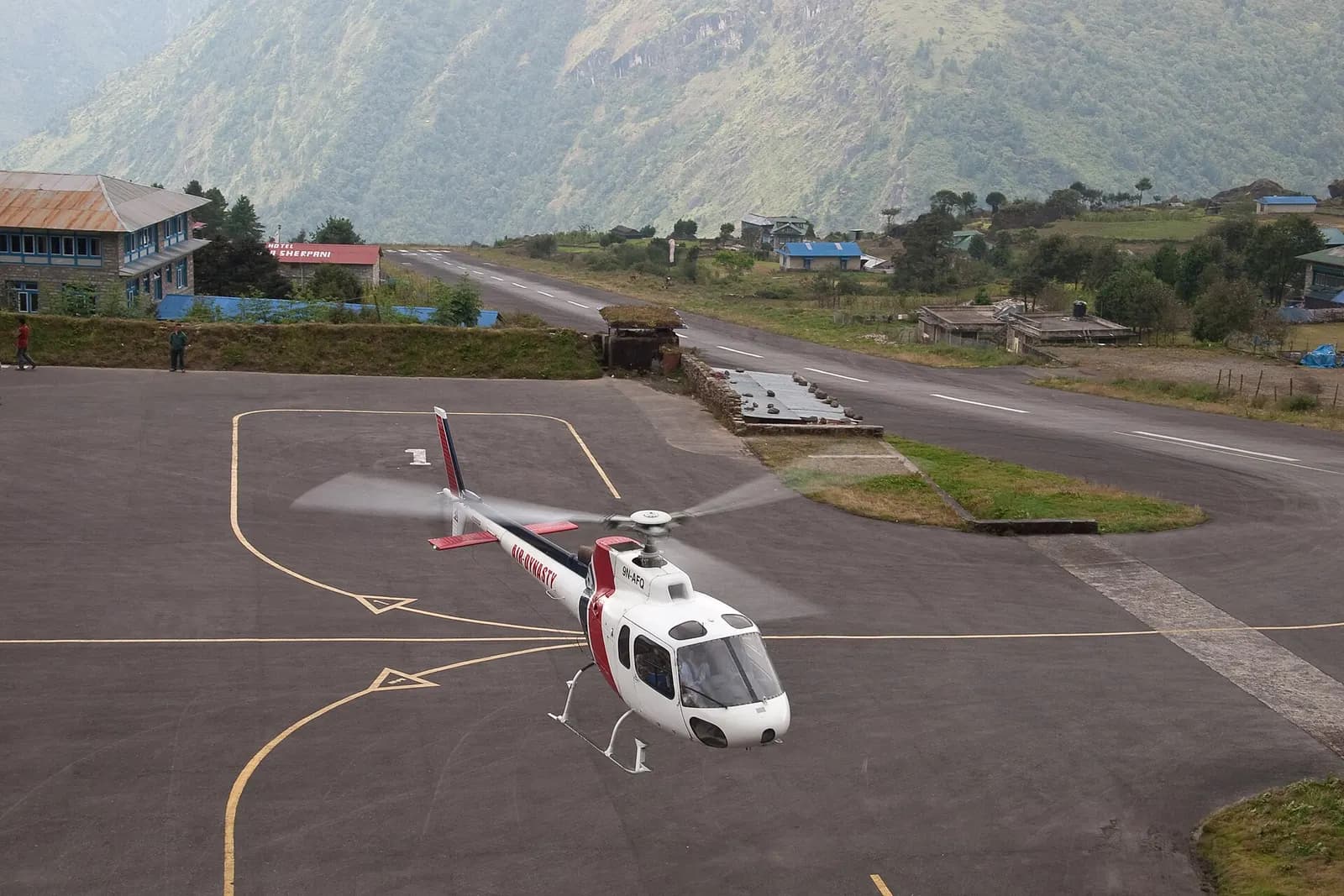
The trek starts with one of the most talked-about flights in the world. Small planes fly from Kathmandu to Tenzing-Hillary Airport in Lukla in about 35 minutes, landing on a short, sloping runway cut into the hillside.
In the busy autumn and spring seasons, most Lukla flights leave from Manthali Airport in Ramechhap instead of Kathmandu, to ease traffic at Tribhuvan International. Ramechhap is a 4 to 5 hour drive from Kathmandu, so you usually leave your hotel around 2 am. Your operator will tell you which airport you are flying from a few days before.
Mountain flights only operate in good visibility, and delays of a day or more are common, especially in the afternoons and in spring. Always leave at least one or two spare days at the end of your trip before your international flight home.
The 12-day EBC itinerary
This is the classic itinerary that most licensed operators use. It includes two acclimatization days, which are the single most important thing you can do to reach base camp safely.
| Day | Route | Sleep at | Walking |
|---|---|---|---|
| 1 | Fly to Lukla, walk to Phakding | 2,610 m | 3–4 hrs |
| 2 | Phakding to Namche Bazaar | 3,440 m | 6 hrs |
| 3 | Acclimatization day in Namche | 3,440 m | 3–4 hrs hike |
| 4 | Namche to Tengboche | 3,860 m | 5–6 hrs |
| 5 | Tengboche to Dingboche | 4,410 m | 5–6 hrs |
| 6 | Acclimatization day in Dingboche | 4,410 m | 3–4 hrs hike |
| 7 | Dingboche to Lobuche | 4,940 m | 5 hrs |
| 8 | Lobuche to Gorak Shep, visit Everest Base Camp | 5,164 m | 7–8 hrs |
| 9 | Sunrise on Kala Patthar, walk down to Pheriche | 4,240 m | 7–8 hrs |
| 10 | Pheriche to Namche Bazaar | 3,440 m | 6–7 hrs |
| 11 | Namche to Lukla | 2,860 m | 6–7 hrs |
| 12 | Fly back to Kathmandu or Ramechhap | 1,400 m | — |
Highlights along the way
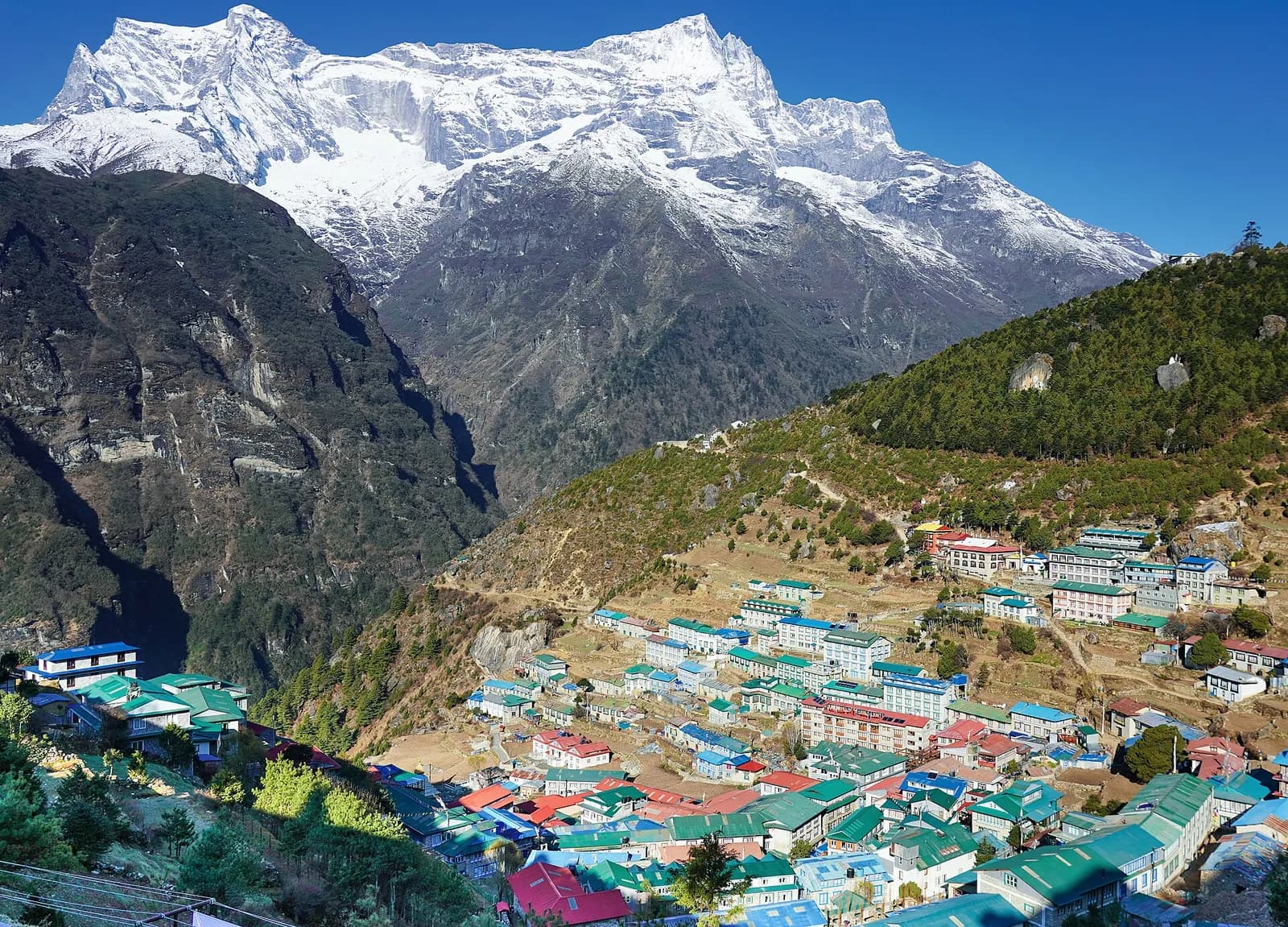
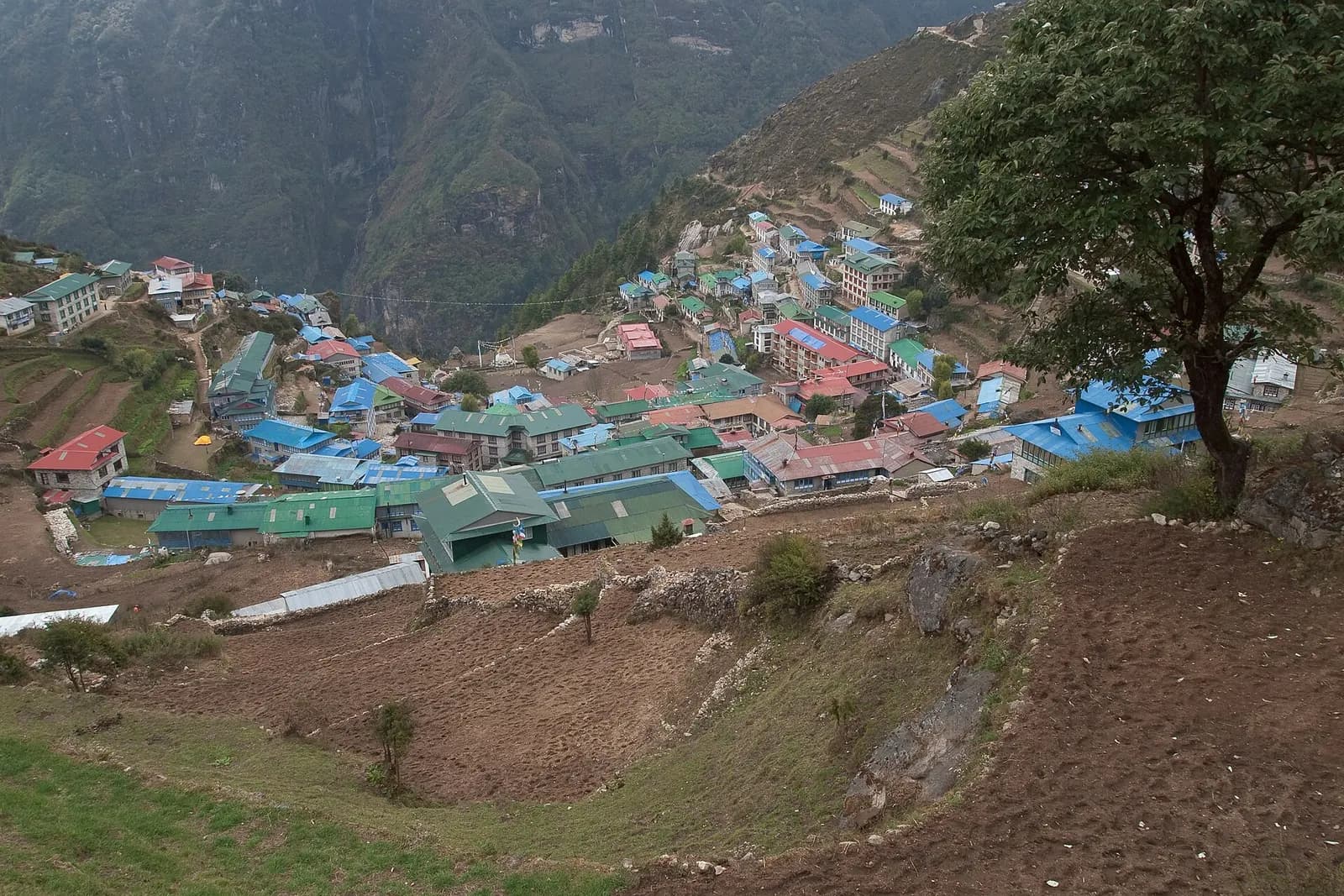
- Namche Bazaar. The capital of the Khumbu, a horseshoe of lodges, bakeries and gear shops. On the acclimatization day, hike up to the Everest View Hotel or Khumjung for your first view of Everest, Lhotse and Ama Dablam.
- Tengboche Monastery. The largest monastery in the Khumbu, on a forested ridge facing Ama Dablam. Join the afternoon prayers if you arrive in time.
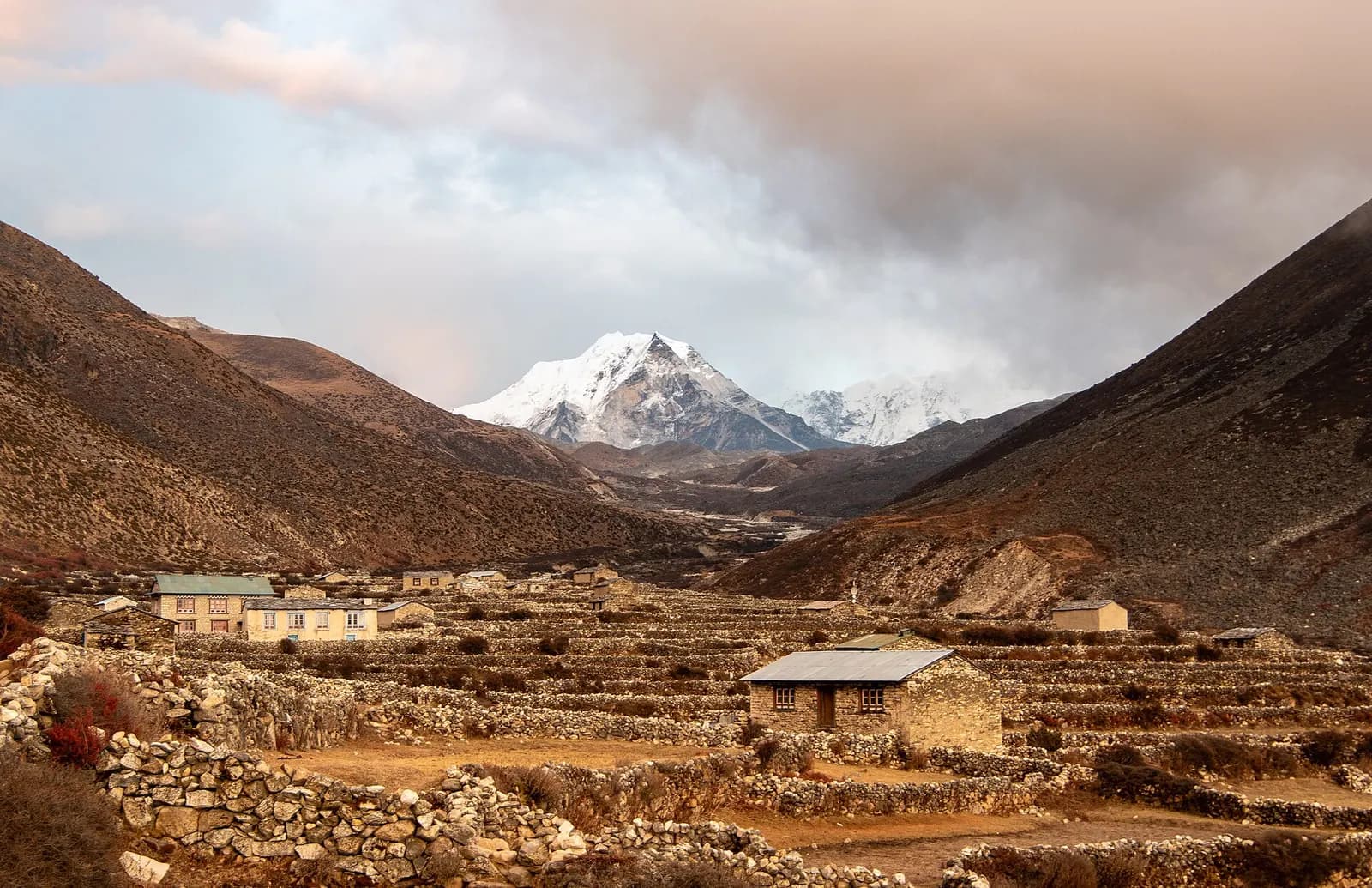
- Dingboche. A stone-walled village in a wide valley. Climb Nangkartshang Peak on your rest day for views of Makalu and the Imja Valley.
- The memorials at Thukla Pass. Stone cairns for climbers who died on Everest, on the climb between Dingboche and Lobuche.
- Everest Base Camp. A rocky moraine beside the Khumbu Icefall. In spring (April–May) it fills with expedition tents.
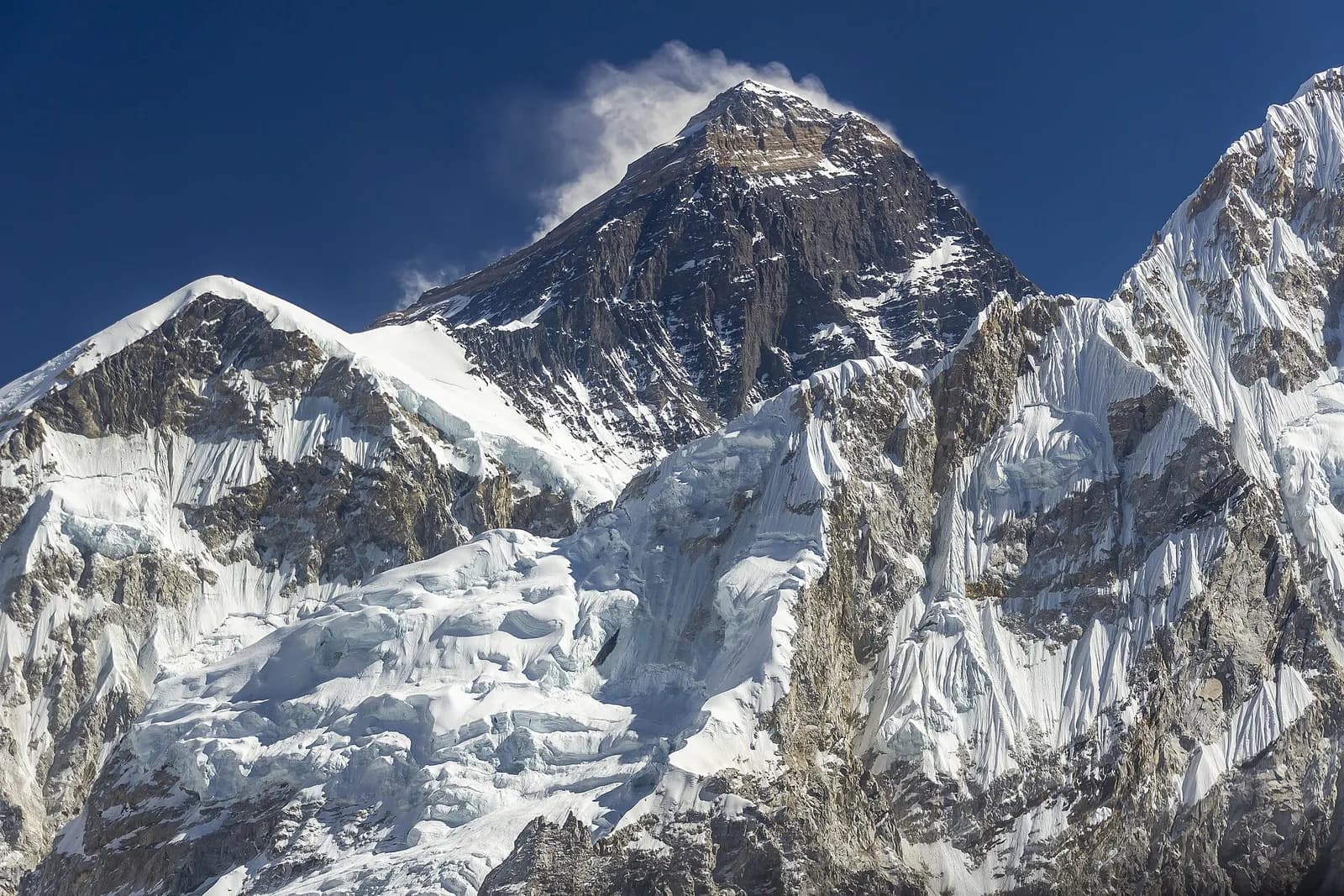
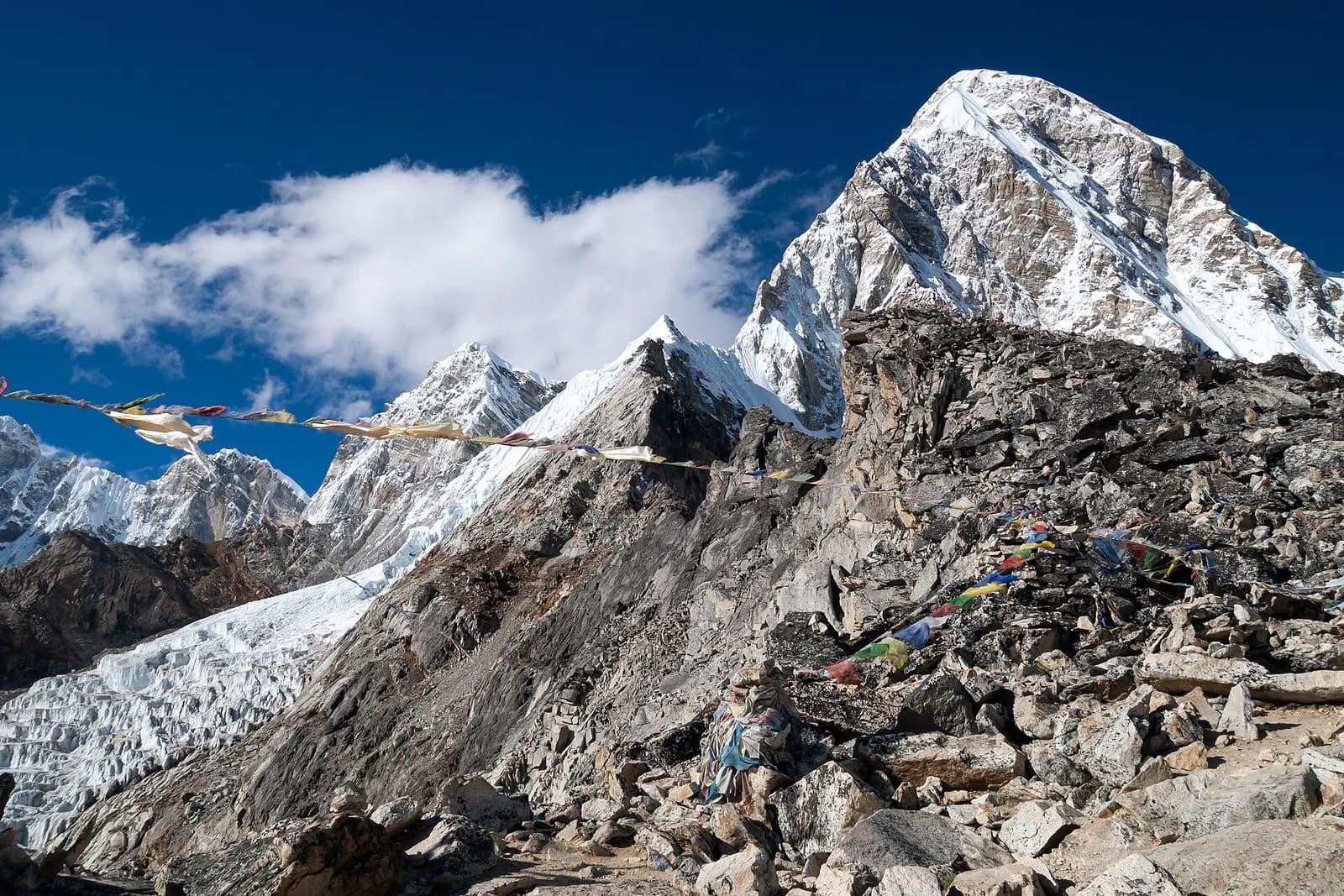
- Kala Patthar. A dark hill above Gorak Shep and the best viewpoint on the trek, with Everest, Nuptse and Pumori lit up at sunrise.
How hard is the Everest Base Camp trek?
EBC is a challenging trek. The walking itself is on good trails with no technical sections, but three things make it harder than most treks:
- Altitude. You spend 8 days above 3,400 m and two nights above 4,900 m. The air at Gorak Shep has roughly half the oxygen of sea level, so every step is slower.
- Duration. Twelve days of walking without a proper rest in a hotel bed takes stamina.
- Cold. Nights above Dingboche drop well below freezing, even in the main seasons.
Day 8 is the hardest. You walk from Lobuche to Gorak Shep, drop your bag, then walk to base camp and back, all above 5,000 m. Day 9 starts before dawn with the climb up Kala Patthar.
How to prepare
- Train for at least 2 to 3 months with long hikes, stair climbing and cardio like running, cycling or swimming.
- Practise walking for 5 to 6 hours with a loaded daypack, ideally on consecutive days.
- If you can, do a shorter trek first. A 5-day Mardi Himal trek or the Annapurna Base Camp trek is a good test of how your body handles altitude.
Altitude sickness and acclimatization
Acute mountain sickness (AMS) is the main risk on the EBC trek and can affect anyone, regardless of fitness. Early symptoms include a headache, nausea, loss of appetite, dizziness and poor sleep.
The rules guides follow are simple:
- Above 3,000 m, don’t raise your sleeping altitude by more than about 300 to 500 m a day.
- Take a rest day for every 1,000 m or so of height gained. That is why Namche and Dingboche have acclimatization days.
- “Climb high, sleep low.” Hike higher on your rest days, then sleep at the lower village.
- Drink 3 to 4 litres of water a day and avoid alcohol until you are heading down.
- Never go higher with symptoms. If they get worse, go down.
Many trekkers carry acetazolamide (Diamox) to help with acclimatization. Speak to a travel doctor before your trip about whether it is right for you. There is a Himalayan Rescue Association clinic in Pheriche staffed during the main seasons.
Permits for the Everest Base Camp trek
You need two permits:
- Sagarmatha National Park permit: NPR 3,000 for foreign nationals, issued in Kathmandu or at the park entrance in Monjo.
- Khumbu Pasang Lhamu Rural Municipality fee: NPR 2,000, paid in Lukla.
Since April 2023, foreign trekkers must also walk with a licensed guide inside national parks. Our Nepal trekking permits guide explains the rules for every region. Most packages include both permits, so check the Included list before you book.
Teahouses, food and facilities
The whole route is served by teahouses, so you don’t need a tent. Rooms in Lukla, Phakding and Namche are comfortable, with some offering attached bathrooms and hot showers. Higher up, rooms are simple twin rooms with shared toilets, and the dining room stove is the only heat in the building.
Food is good and varied for the altitude. Dal bhat is the best value because refills are free, and menus also include noodles, momos, fried potatoes, pizza, porridge and Tibetan bread. Expect to pay extra for hot showers, battery charging and Wi-Fi above Namche. Prices rise the higher you go, because everything is carried up by porters and yaks.
Namche has ATMs, but they are not always reliable. Bring enough Nepali rupees in cash from Kathmandu for the whole trek.
Best time to trek to Everest Base Camp
| Season | Months | What to expect |
|---|---|---|
| Autumn | October–November | Clearest views, stable weather, the busiest season |
| Winter | December–February | Very cold, fewer trekkers, some teahouses closed up high |
| Spring | March–May | Warmer, rhododendrons lower down, climbing expeditions at base camp |
| Monsoon | June–September | Cloud and rain, frequent Lukla flight delays |
October and November are the best months for clear skies. Spring is the other great window, and the only time you’ll see expedition tents at base camp. Avoid the monsoon unless you have a lot of flexibility, because cloud regularly grounds Lukla flights. See best time to visit Nepal for more detail.
Packing list for EBC
- Waterproof, broken-in hiking boots and camp shoes
- Down jacket and a four-season sleeping bag rated to around -15 °C
- Thermal base layers, fleece and a waterproof shell
- Warm hat, buff, liner gloves and insulated gloves
- Trekking poles
- Sunglasses with UV protection and high-SPF sunscreen
- Headlamp with spare batteries, since nights are long and cold
- Water bottles and purification tablets or a filter
- Personal first-aid kit, including blister care and any AMS medication
Lukla flights limit checked luggage to about 10 kg plus a small hand bag, so pack light. A porter usually carries one duffel bag for you and you walk with a daypack.
Alternatives to the classic route
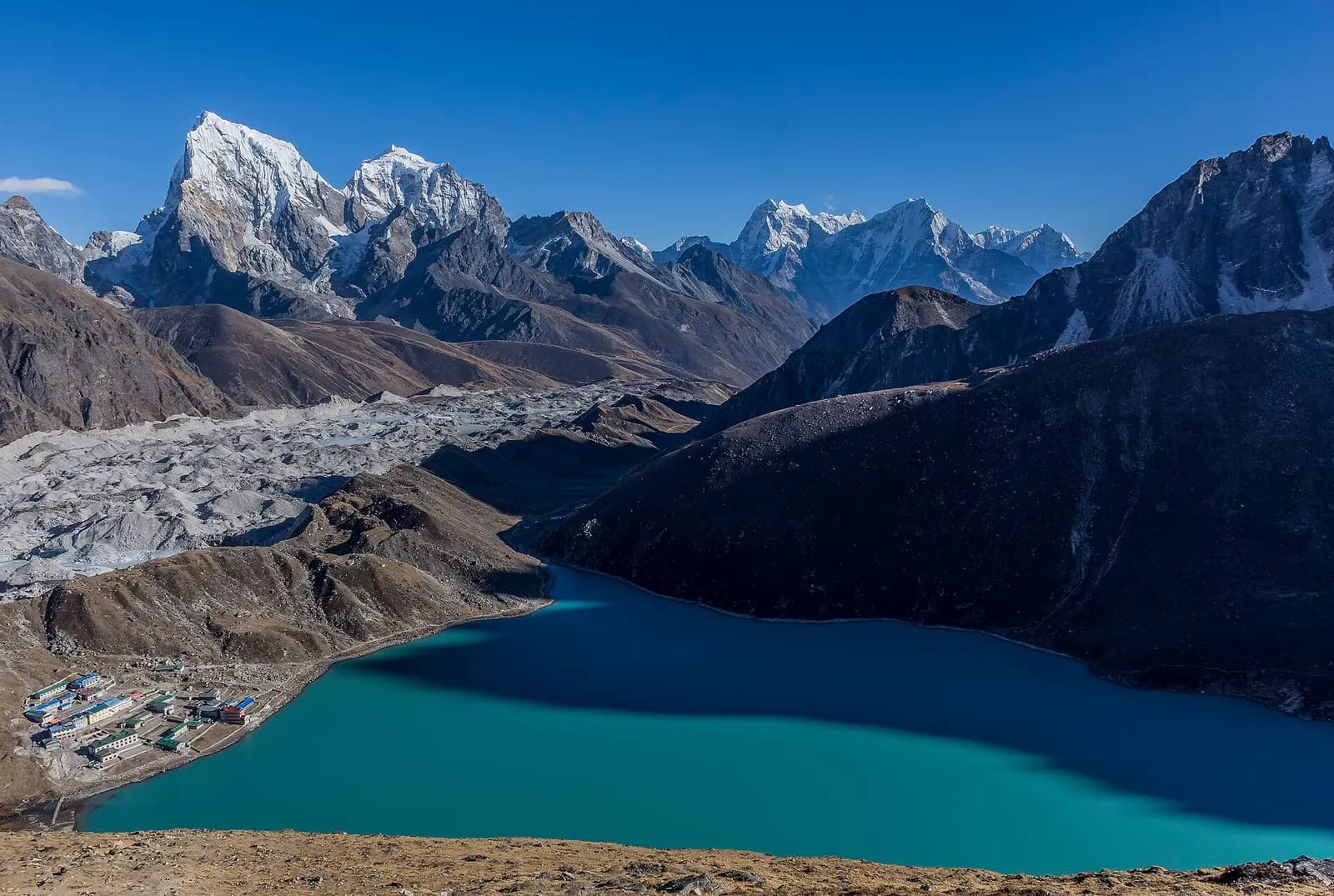
- Gokyo Lakes. Swap base camp for a chain of turquoise lakes and the viewpoint at Gokyo Ri. Quieter, with a similar view of Everest.
- Three Passes trek. A tougher 18 to 20 day loop over the Kongma La, Cho La and Renjo La passes, for experienced trekkers.
- Helicopter return. Some trekkers walk up to base camp and fly back from Gorak Shep, saving three days of walking down.
Plan your trek
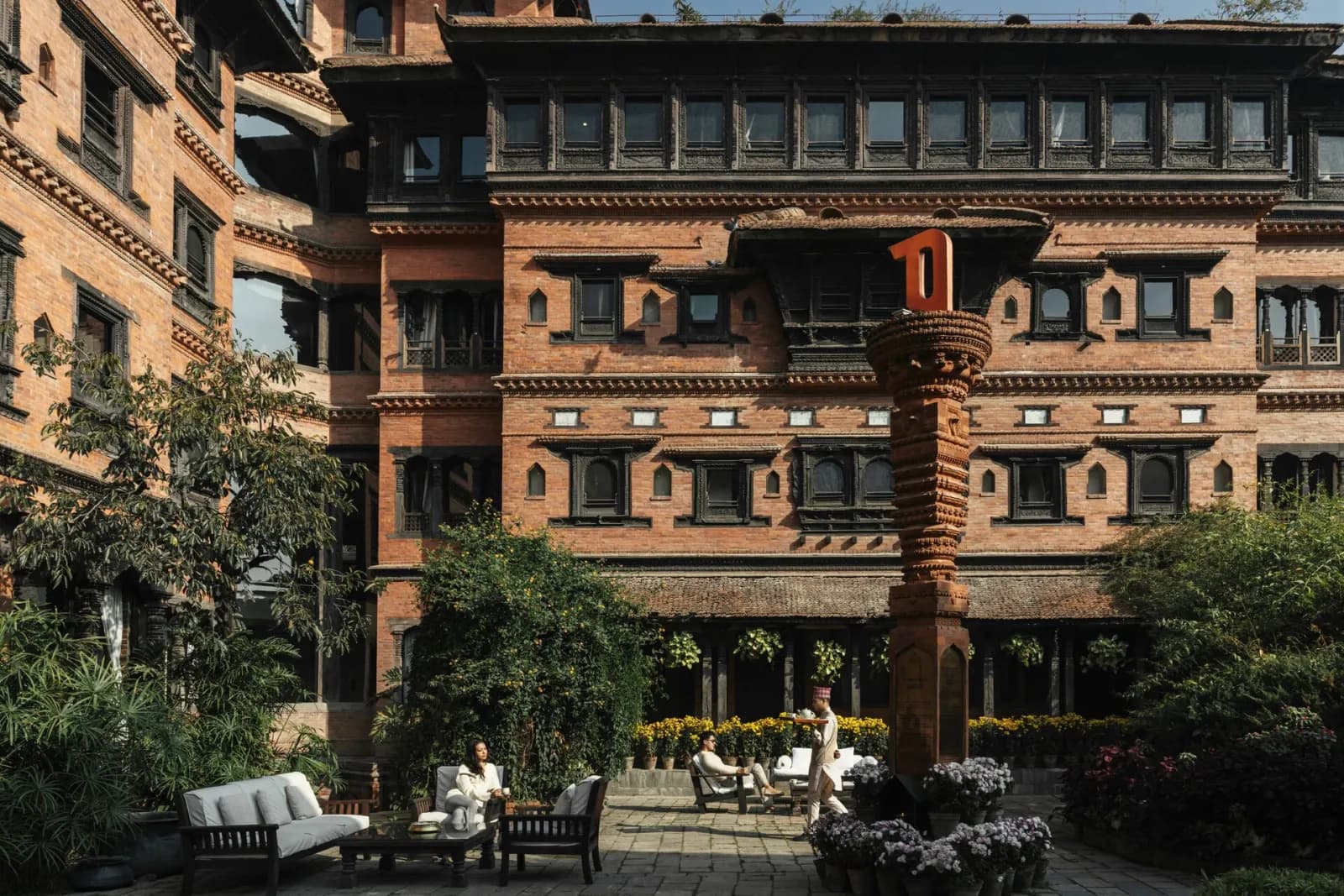
Spend a day or two in Kathmandu before you fly to Lukla. It gives you time to meet your guide, check gear and recover from jet lag. Our guide to things to do in Kathmandu has ideas for your spare days, and the Everest Base Camp trek page lists guided departures from licensed operators.
Frequently asked questions
How long is the Everest Base Camp trek?
The standard itinerary is 12 days from Lukla to Lukla, covering about 130 km on foot. Add a day either side for the flights between Kathmandu and Lukla, plus at least one buffer day for weather.
How difficult is the Everest Base Camp trek?
It is challenging but not technical. The difficulty comes from altitude and duration, with 8 days above 3,400 m and a high point of 5,545 m at Kala Patthar. Good fitness and a slow, well-acclimatized itinerary matter more than experience.
Do I need a guide for Everest Base Camp?
Yes. Since April 2023, foreign trekkers must walk with a licensed guide in Nepal’s national parks, and the EBC trail is inside Sagarmatha National Park.
Can you see Everest from Everest Base Camp?
Barely. The summit is hidden behind the Nuptse–Lhotse wall from base camp itself. For the classic view of Everest, climb Kala Patthar at sunrise the same or next morning.
Do I need travel insurance for EBC?
Yes. Choose a policy that covers trekking up to at least 6,000 m and helicopter evacuation. Your operator may ask for the policy details before the trek.
Pasang has guided in the Everest and Annapurna regions for 14 years and trains new guides for Himalayan Footprints Treks.