Every list of the world’s best travel destinations is an argument, and this one is ours for 2026. We ranked nine countries and one region, Patagonia, on four things: what you can do there that you can’t do anywhere else, how much variety a single trip can hold, how well the place rewards travellers on different budgets, and how long it stays with you once you are home.
The ten span six continents, from the temples of Kyoto to the glaciers at the bottom of South America. And yes, we are a Nepal travel site, so read what we say about Nepal with that in mind. We think it earns its place anyway.
1. Japan
Japan takes the top spot because it gets so much right at once. In one trip you can eat at a ten-seat ramen counter in Tokyo, sleep in a temple on Mount Koya, soak in a mountain hot spring and walk ancient pilgrim trails. The bullet train ties it all together: Tokyo to Kyoto takes just over two hours.
Kyoto alone has around 1,600 Buddhist temples. Go early to Fushimi Inari, where thousands of vermilion torii gates climb the hillside, to beat the crowds. For walkers, the Kumano Kodo pilgrimage routes on the Kii Peninsula and the old Nakasendo road between Magome and Tsumago show a quieter, rural Japan.
It is also one of the safest countries in the world to travel in, which makes it the easiest choice on this list for first-timers, families and solo travellers.
When to go: late March to early April for cherry blossom, and October to November for autumn colour. Summer is hot and humid, and winter brings deep powder snow to Hokkaido and the Japanese Alps.
2. Nepal
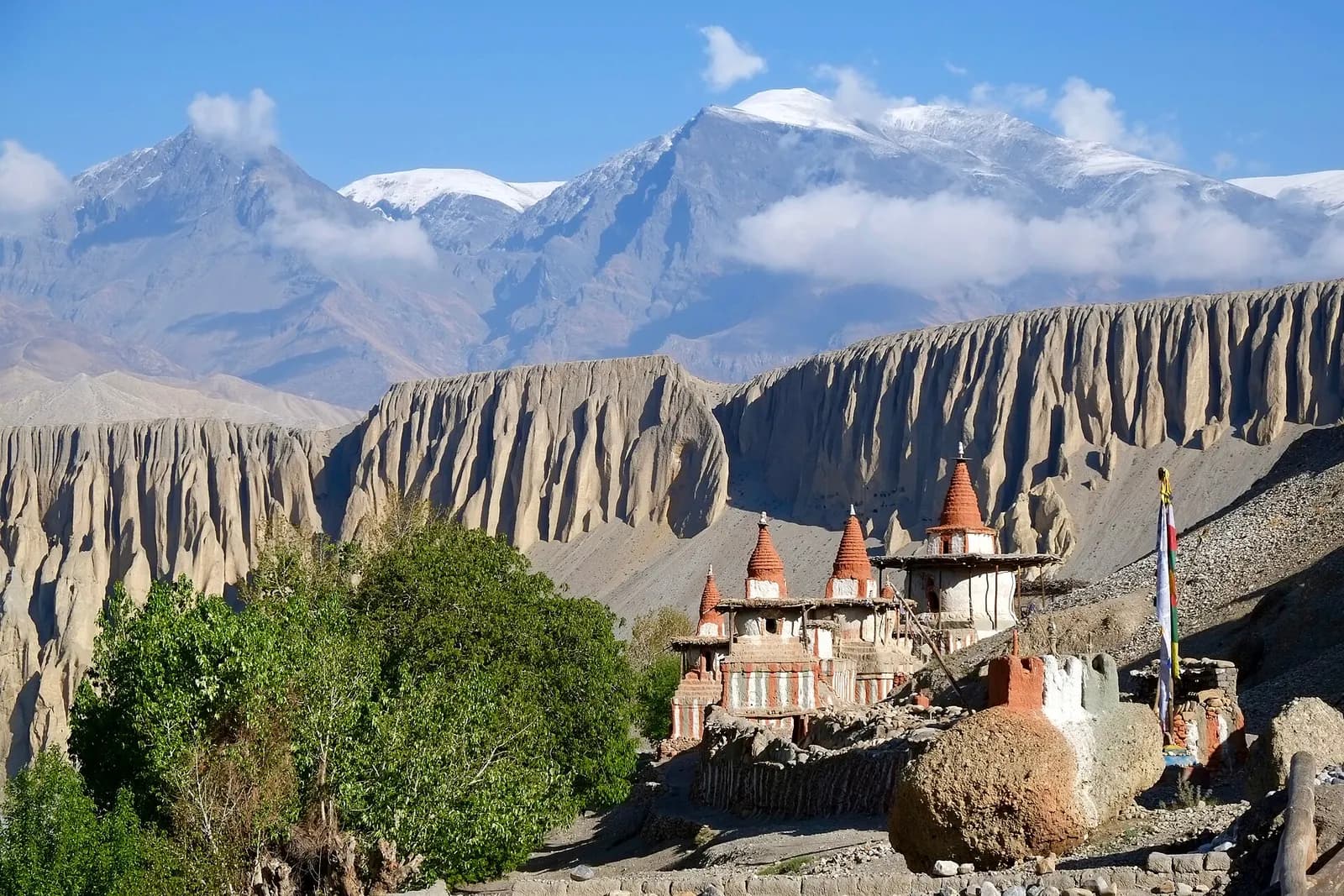
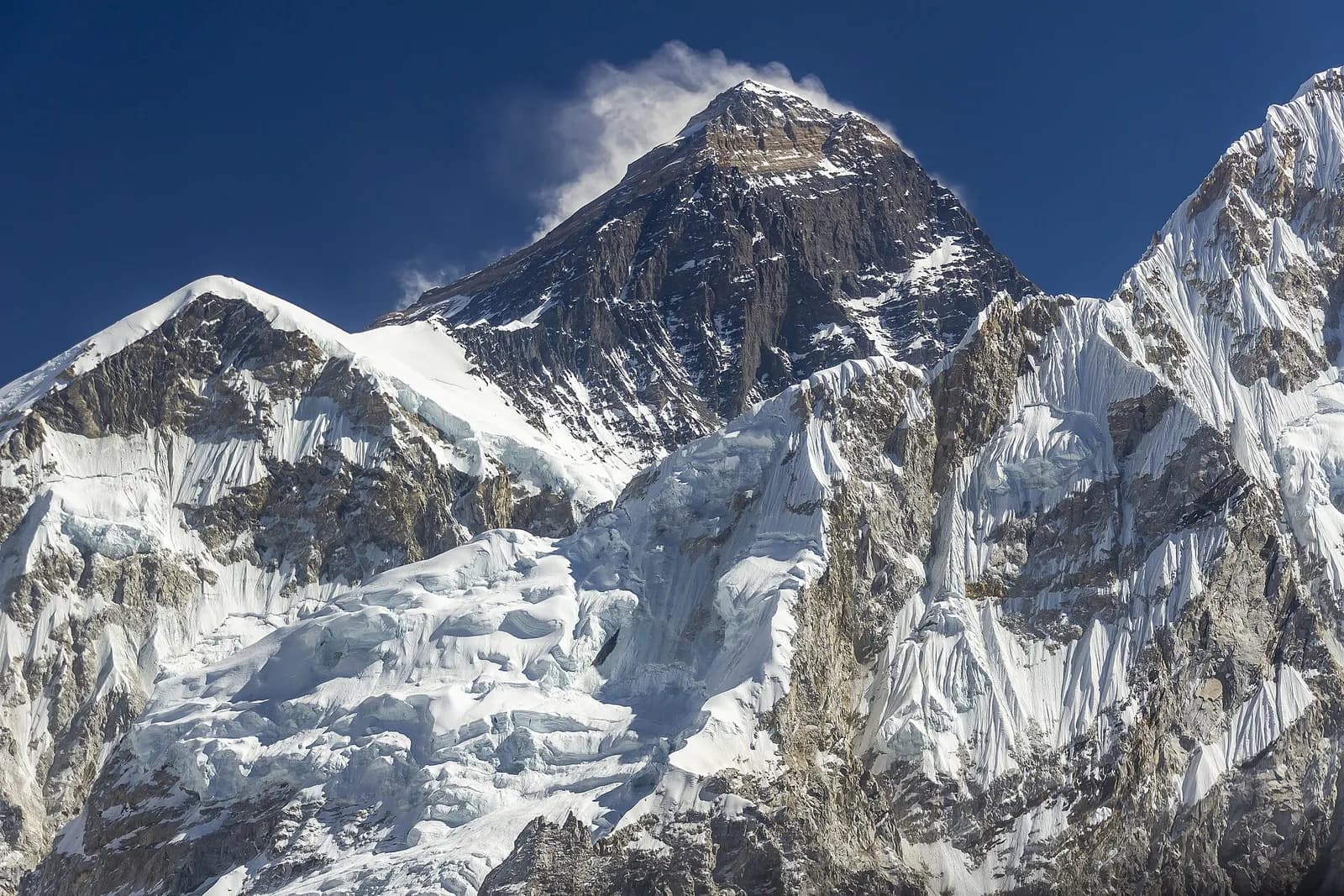
No other country of its size holds so much. Nepal is only about 200 km from north to south, yet it rises from lowland plains less than 100 m above sea level to the summit of Everest at 8,849 m. In between are the world’s highest mountains, a living Hindu and Buddhist culture, and jungle with rhinos and tigers.
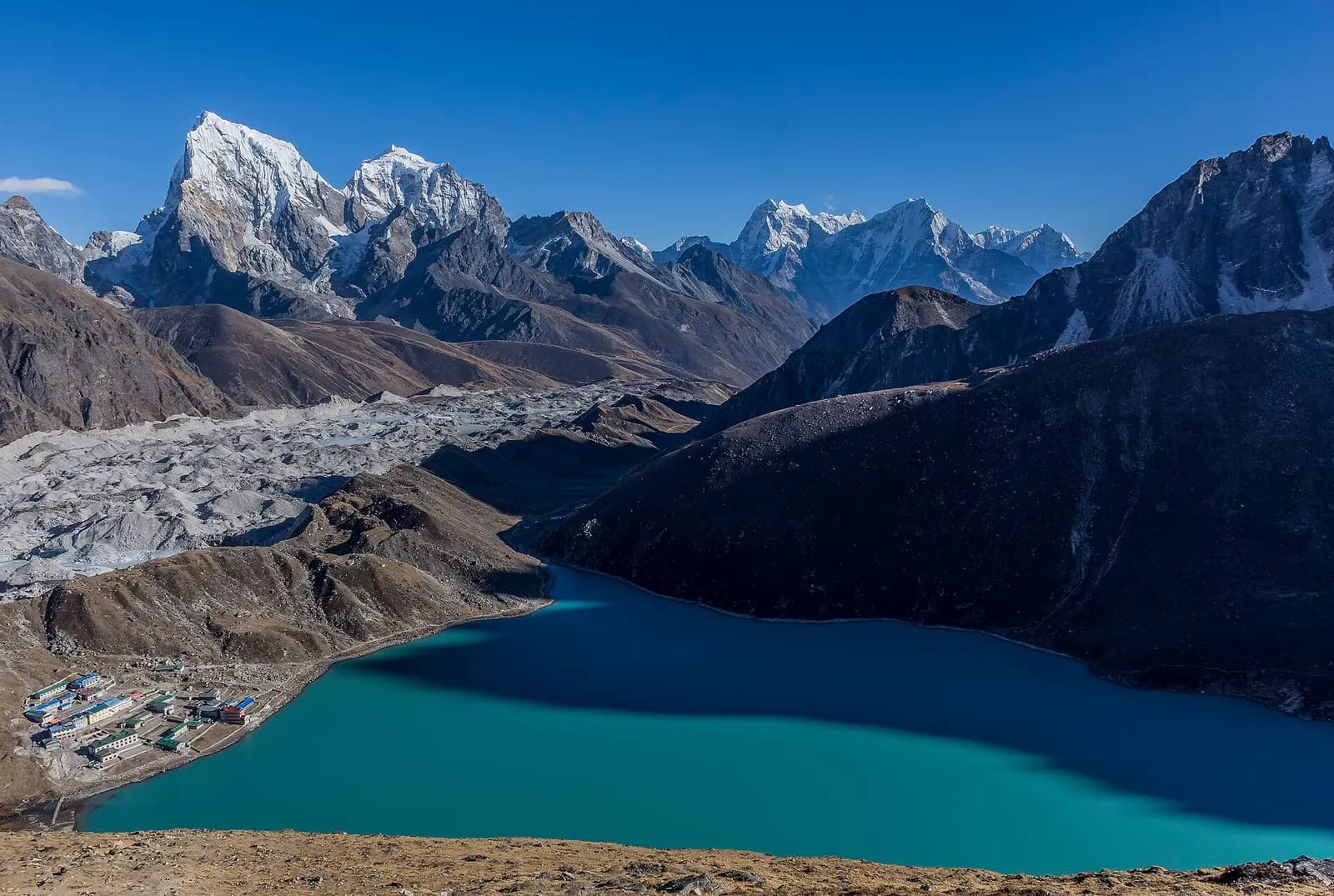
The mountains. Eight of the world’s 14 peaks above 8,000 m stand in Nepal, Everest among them. What sets Nepal apart is how easy it is to walk among them. Teahouse lodges line the main trails, so you can trek for two weeks with a light pack, sleeping in a bed and eating a hot meal every night. The Everest Base Camp trek and Annapurna Base Camp are the famous ones, while Poon Hill and Mardi Himal give you huge views in under a week.
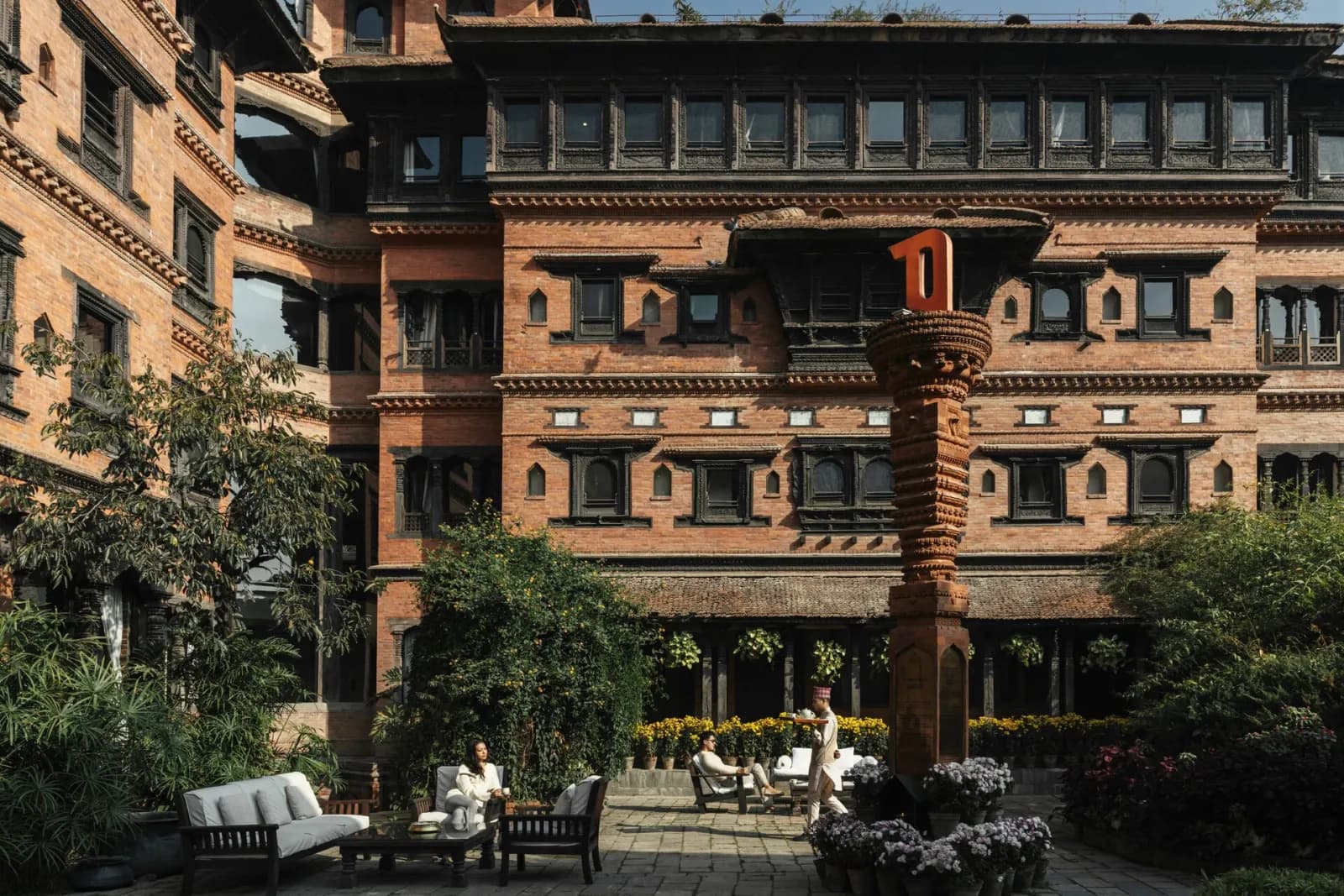
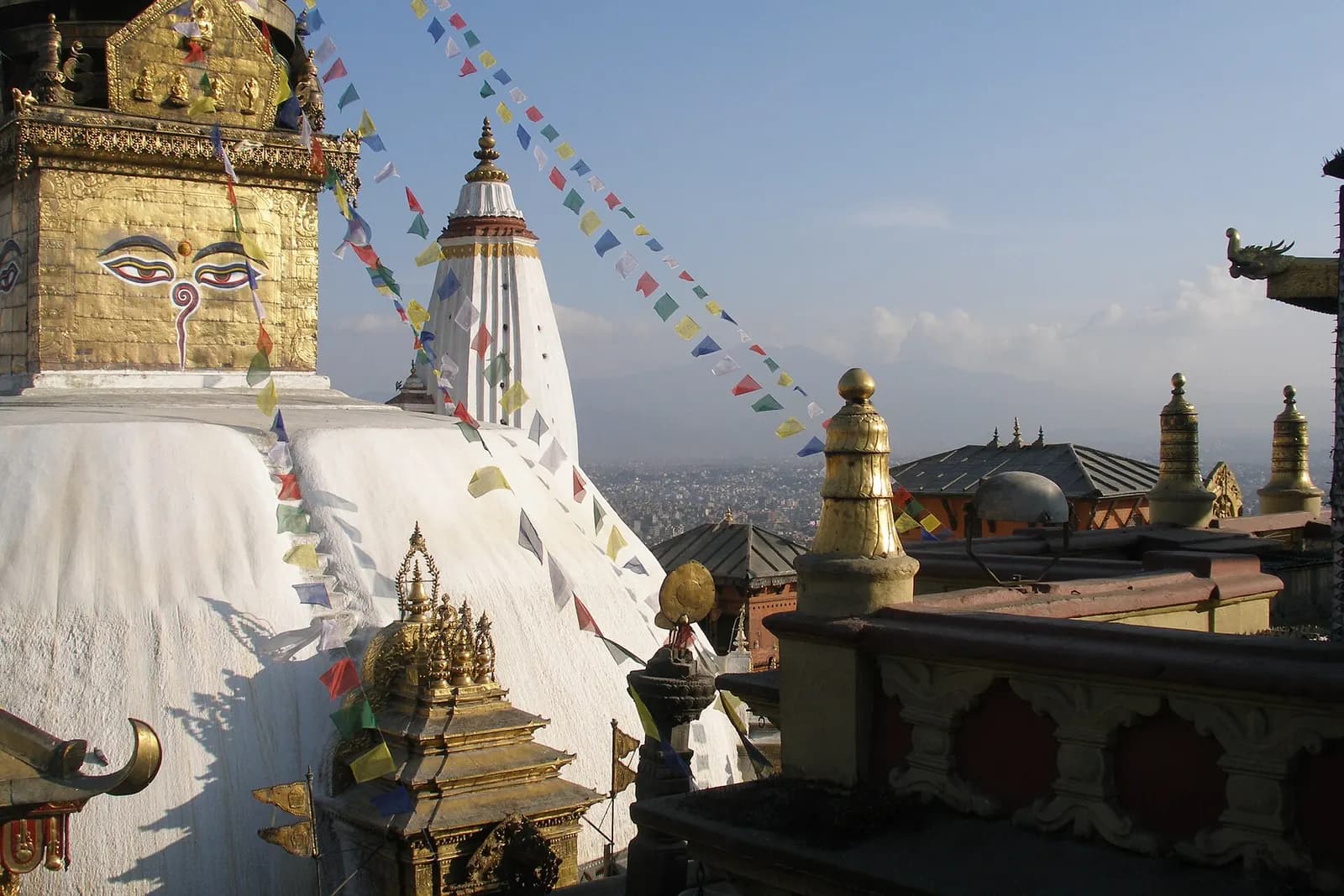
The culture. The Kathmandu Valley has seven UNESCO-listed monument zones within an hour of each other: three royal Durbar Squares, the great stupas of Boudhanath and Swayambhunath, and the Hindu temples of Pashupatinath and Changu Narayan. Festivals fill the calendar, from Dashain and Tihar in autumn to Holi in spring, and Lumbini, in the southern plains, is the birthplace of the Buddha. Our guide to the best things to do in Kathmandu covers the valley.
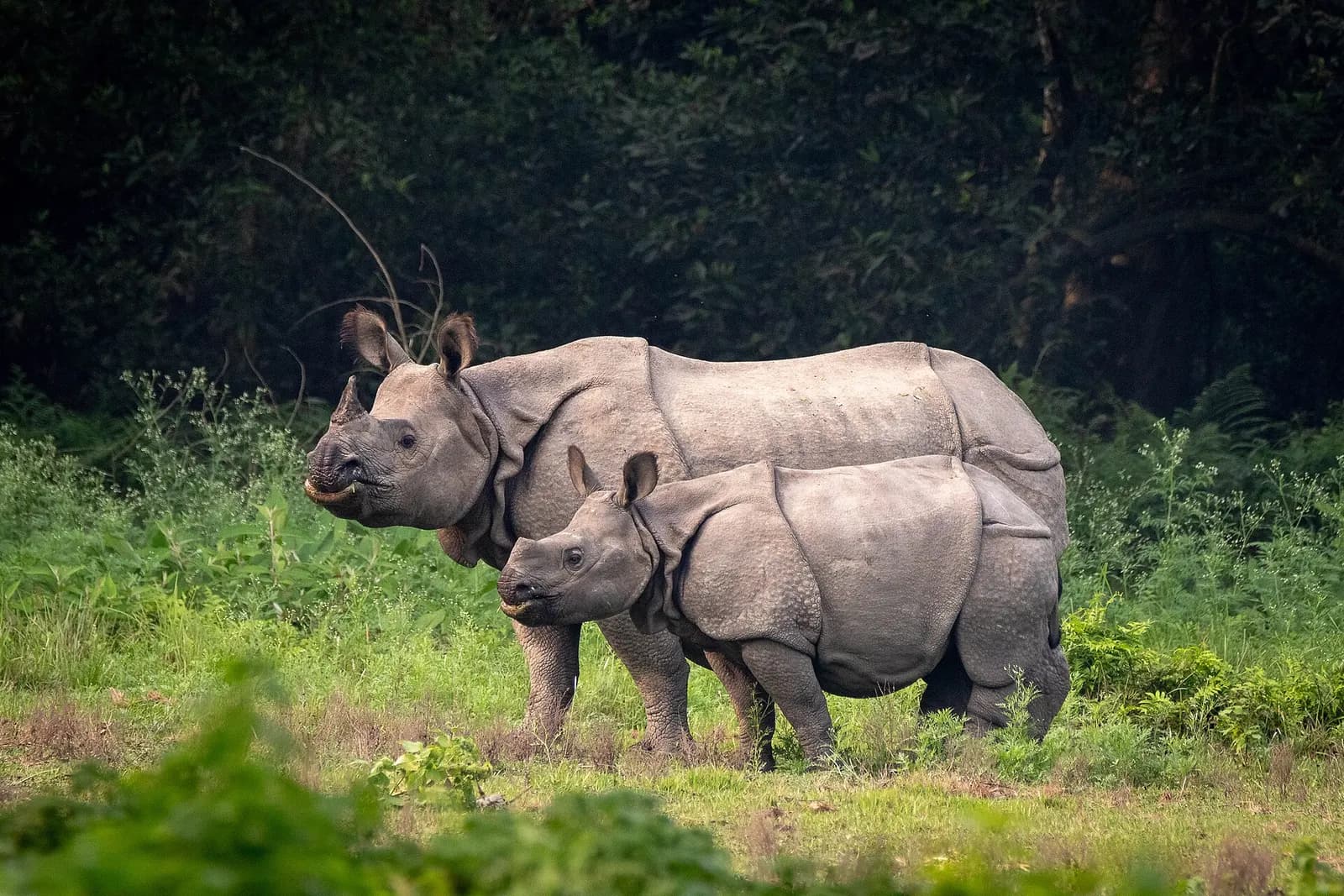
The jungle. Drive or fly south and the mountains give way to the grasslands and forests of the Terai. In Chitwan National Park you can track greater one-horned rhinos by jeep, by canoe or on foot, watch gharial crocodiles in the Rapti River and, if you are lucky, spot a Bengal tiger.
The welcome. Guides, porters and teahouse owners are the reason many trekkers come back, and there is always a second helping of dal bhat. Day to day, Nepal also costs far less than Japan, Italy or Iceland.
Why not No. 1? Nepal asks more of you than Japan does. Roads are slow, mountain flights depend on the weather, and the best of the country is on foot. If you are happy to walk, though, we don’t know anywhere that gives back more.
When to go: October to November for clear skies, and March to April for rhododendrons in bloom. Our guide to the best time to visit Nepal goes season by season.
3. Peru
Peru is, for us, the best trekking country outside the Himalaya, and it pairs the walking with one of the great food scenes on earth.
Machu Picchu, the 15th-century Inca citadel on a ridge above the Urubamba River, is the headline. The classic way in is the four-day Inca Trail, which crosses Dead Woman’s Pass at 4,215 m and arrives through the Sun Gate. Permits are limited and sell out months ahead for the dry season, and the trail closes every February for maintenance. The Salkantay trek is a quieter, higher alternative.
Spend a few days in Cusco, the old Inca capital at about 3,400 m, to acclimatize before you walk. Then eat your way around Lima. The city’s Central was named the world’s best restaurant in 2023, and its neighbourhood cevicherías serve superb ceviche for a fraction of the price. Peru also has Lake Titicaca on the Bolivian border and the Amazon rainforest, which covers more than half the country.
When to go: May to September, the dry season in the Andes.
4. Italy
Italy has more UNESCO World Heritage Sites than almost any other country, and the usual first trip of Rome, Florence and Venice is popular for good reason. Add the hill towns of Tuscany, the Amalfi Coast and the food of every region, from Neapolitan pizza to fresh pasta in Bologna, and it is hard to have a bad trip.
For walkers, the Dolomites are the surprise. These pale rock towers in the north-east are UNESCO-listed, and mountain huts called rifugi serve pasta, strudel and wine to hikers high above the valleys. The Alta Via 1 links them on a week or more of hut-to-hut walking.
When to go: April to June and September to October. July and August are hot and crowded in the cities, but they are the best months in the Dolomites, when the huts are open.
5. New Zealand
New Zealand packs glaciers, fjords, volcanoes and rainforest into two main islands, and its hiking is some of the best organised in the world. The Great Walks, such as the Milford Track in Fiordland, have well-kept trails and huts that you book in advance. The Tongariro Alpine Crossing, past steaming vents and the Emerald Lakes, is often called the best day hike in the country.
Queenstown is the adventure capital, and commercial bungy jumping began nearby at the Kawarau Bridge in 1988. Aoraki/Mount Cook, the country’s highest peak at 3,724 m, rises above turquoise glacier lakes, and Rotorua is the place to learn about Māori culture, with geysers and hot pools on the side. New Zealand is a long way from almost everywhere, so give it at least two weeks and consider a campervan.
When to go: December to March for hiking and long summer days. Book Great Walk huts as soon as bookings open.
6. Iceland
Iceland is a country still being made. Give it a week or more on the Ring Road, the 1,300-odd km highway that circles the island, and you pass black-sand beaches, waterfalls you can walk behind and a glacier lagoon full of floating icebergs.
Closer to Reykjavík, the Golden Circle links three sights: Þingvellir, where the North American and Eurasian plates are pulling apart and where Iceland’s parliament first met in 930; the Geysir hot spring area; and the Gullfoss waterfall. Hikers should look at the Laugavegur trail, about 55 km of coloured rhyolite mountains, hot springs and black lava from Landmannalaugar to Þórsmörk, open in summer only.
Iceland is one of the most expensive countries in Europe, so driving yourself and shopping at supermarkets help.
When to go: June to August for hiking and long, bright nights, and September to March for the northern lights.
7. Morocco
Morocco is only a few hours’ flight from much of Europe. Start in the medinas. In Marrakech, Jemaa el-Fnaa square fills each evening with food stalls, musicians and storytellers. In Fes el-Bali, the medieval medina of Fes, donkeys and handcarts still carry goods through car-free lanes to the workshops and leather tanneries.
Then head for the mountains and the desert. Mount Toubkal, North Africa’s highest peak at 4,167 m, is a two-day climb from the village of Imlil in the High Atlas, with no technical climbing in summer. Beyond the mountains, the Erg Chebbi dunes near Merzouga are the place to ride a camel into the Sahara and sleep at a desert camp under the stars. Chefchaouen, a town of blue-washed lanes in the Rif Mountains, is worth a night on the way north.
When to go: March to May and September to November. Summer is very hot inland, and desert nights are cold in winter.
8. Tanzania
Tanzania is the classic safari country. The Serengeti hosts the Great Migration, when more than a million wildebeest, with zebras and gazelles, follow the rains on a long loop that crosses into Kenya’s Maasai Mara. Calving in the southern Serengeti peaks around February, and the dramatic river crossings in the north usually run from July to September. Next door, the Ngorongoro Crater, a collapsed volcano nearly 20 km across, shelters lions, elephants and rare black rhinos on its floor.
Then climb Kilimanjaro. At 5,895 m it is the highest mountain in Africa and the tallest free-standing mountain in the world, and it needs no technical skills, just fitness and time. Most routes take six to eight days, and the longer ones give you a better chance of reaching the summit. If you have already trekked to Everest Base Camp at 5,364 m, it is the natural next step. Finish on the beaches of Zanzibar and in the old lanes of Stone Town.
When to go: June to October, the long dry season, for safari and climbing. January and February are good too, especially for the calving.
9. Patagonia (Argentina and Chile)
At the bottom of South America, Patagonia is wind, ice and granite. On the Chilean side, Torres del Paine National Park is famous for its three granite towers and the four- to five-day W Trek, with refugios and campsites that you must book ahead. Across the border in Argentina, El Chaltén calls itself the country’s trekking capital, and a day hike to Laguna de los Tres ends at the foot of Fitz Roy.
Near El Calafate, the Perito Moreno Glacier meets Lago Argentino in a wall of ice about 70 m high, and you can watch blocks the size of houses crash into the water. Patagonia is huge and remote, so allow at least two weeks and expect the weather to change by the hour.
When to go: November to March, the southern summer. Expect strong winds even on sunny days.
10. Mexico
Mexico gives you an enormous amount for your time and money. Start in Mexico City, with the Aztec Sun Stone in the National Museum of Anthropology, taco stands on every corner and the pyramids of Teotihuacan about an hour away.
In Oaxaca, eat mole and drink mezcal, and if you can, visit for the Day of the Dead at the start of November. Traditional Mexican cuisine is even on UNESCO’s list of intangible cultural heritage. In the Yucatán, you can explore Maya cities such as Chichén Itzá, swim in cenotes, the clear freshwater sinkholes that dot the peninsula, and finish on a Caribbean beach.
Safety varies a lot between states, so check your government’s travel advice before you go.
When to go: November to April, the dry season.
The ranking at a glance
| Rank | Destination | Best for | Best time to go |
|---|---|---|---|
| 1 | Japan | Temples, food, cities, cherry blossom | Mar–May, Oct–Nov |
| 2 | Nepal | Himalayan treks, culture, jungle safari | Oct–Nov, Mar–Apr |
| 3 | Peru | Machu Picchu, Andes treks, food | May–Sep |
| 4 | Italy | Art, food, the Dolomites | Apr–Jun, Sep–Oct |
| 5 | New Zealand | Great Walks, road trips, adventure sports | Dec–Mar |
| 6 | Iceland | Waterfalls, volcanoes, northern lights | Jun–Aug, Sep–Mar for auroras |
| 7 | Morocco | Medinas, the Sahara, the Atlas Mountains | Mar–May, Sep–Nov |
| 8 | Tanzania | Safari, Kilimanjaro, Zanzibar | Jun–Oct |
| 9 | Patagonia | Glaciers, granite peaks, multi-day hikes | Nov–Mar |
| 10 | Mexico | Food, ancient cities, beaches | Nov–Apr |
Honourable mentions
Ten is not enough. Bhutan, an hour’s flight from Kathmandu and easy to combine with Nepal, only just missed out. So did Vietnam for its food and Ha Long Bay, Jordan for Petra and Wadi Rum, Norway for its fjords, Canada for the Rockies and South Africa for Cape Town and the Garden Route.
Planning a first trip to Nepal
If our No. 2 has caught your eye, this is how a first two weeks in Nepal often looks:
- Days 1–3, Kathmandu: Durbar Squares, Boudhanath and Swayambhunath. See things to do in Kathmandu.
- Day 4, to Pokhara: by tourist bus, private jeep or a 25-minute flight. Kathmandu to Pokhara compares them.
- Days 5–8, a short trek: Poon Hill takes four days, with sunrise over Dhaulagiri and the Annapurnas.
- Days 9–10, Pokhara: paragliding, a boat on Phewa Lake and a rest. See things to do in Pokhara.
- Days 11–13, Chitwan: two nights of jeep safaris, canoe trips and jungle walks, then back to Kathmandu.
- Day 14: a spare day in Kathmandu before your flight home, in case of delays.
With three weeks, swap the short trek for Everest Base Camp or Annapurna Base Camp, or add more from our top 10 places to visit in Nepal. Most nationalities can get a tourist visa on arrival at Kathmandu airport. Since April 2023, foreign trekkers have needed a licensed guide in national parks and conservation areas, and your operator arranges the permits. Our trekking permits guide has the details.
Frequently asked questions
What is the best country in the world to visit?
It depends on what you travel for, but on our list Japan comes first for its mix of culture, food and easy travel. Nepal is second for mountains, trekking and value, and Peru, Italy and New Zealand complete the top five.
Why is Nepal in the top three?
No other country of its size combines so much. Nepal has eight of the world’s 14 highest mountains, seven UNESCO-listed monument zones in the Kathmandu Valley, and jungle with rhinos and tigers in Chitwan. Teahouse lodges make long treks possible without camping gear, and day-to-day costs are lower than in most countries on this list.
When is the best time to visit Nepal?
October and November bring the clearest mountain views. March to May is the second-best season, with warmer days and rhododendrons in flower. The summer monsoon brings heavy rain, so it suits rain-shadow regions like Upper Mustang better than the big treks.
How many days do you need in Nepal?
Two weeks is a good length for a first visit. That gives you three days in Kathmandu, a short trek such as Poon Hill, a couple of days in Pokhara and two nights in Chitwan. The Everest Base Camp trek alone takes about two weeks, so allow three weeks if you want to add it.
Which of these destinations are best on a budget?
Nepal, Morocco, Mexico and Peru give you the most for your money day to day, with cheap local food, transport and guesthouses. Iceland, New Zealand and a Tanzanian safari usually cost the most, and Japan and Italy sit in between.