On this page
- Area
- 1,325 km²
- Altitude
- 2,000–7,246 m
- Seasons
- Autumn & spring
- Hunt length
- Up to 15 days
There is only one place in Nepal where you can legally hunt, and it is about as far from a game farm as you can get. Dhorpatan Hunting Reserve sits in the high country of western Nepal, where Baglung, Myagdi and Rukum meet. Its blocks climb from oak and rhododendron forest through open alpine meadows to cliffs below the Dhaulagiri range. Herds of blue sheep graze the grassy ridges. Himalayan tahr hold the steep ground below them. Snow leopards follow both.
Each autumn and spring a handful of hunters from the United States, Spain, Mexico, the Netherlands, Russia, France and Denmark make the journey here for a chance at one of the great mountain trophies of Asia. For the rest of the year, the reserve belongs to herders, the odd trekker and the wildlife.
This guide covers both sides: how a licensed hunt at Dhorpatan works, what it costs, and what the reserve offers if you come with binoculars instead of a rifle.
Nepal’s only hunting reserve
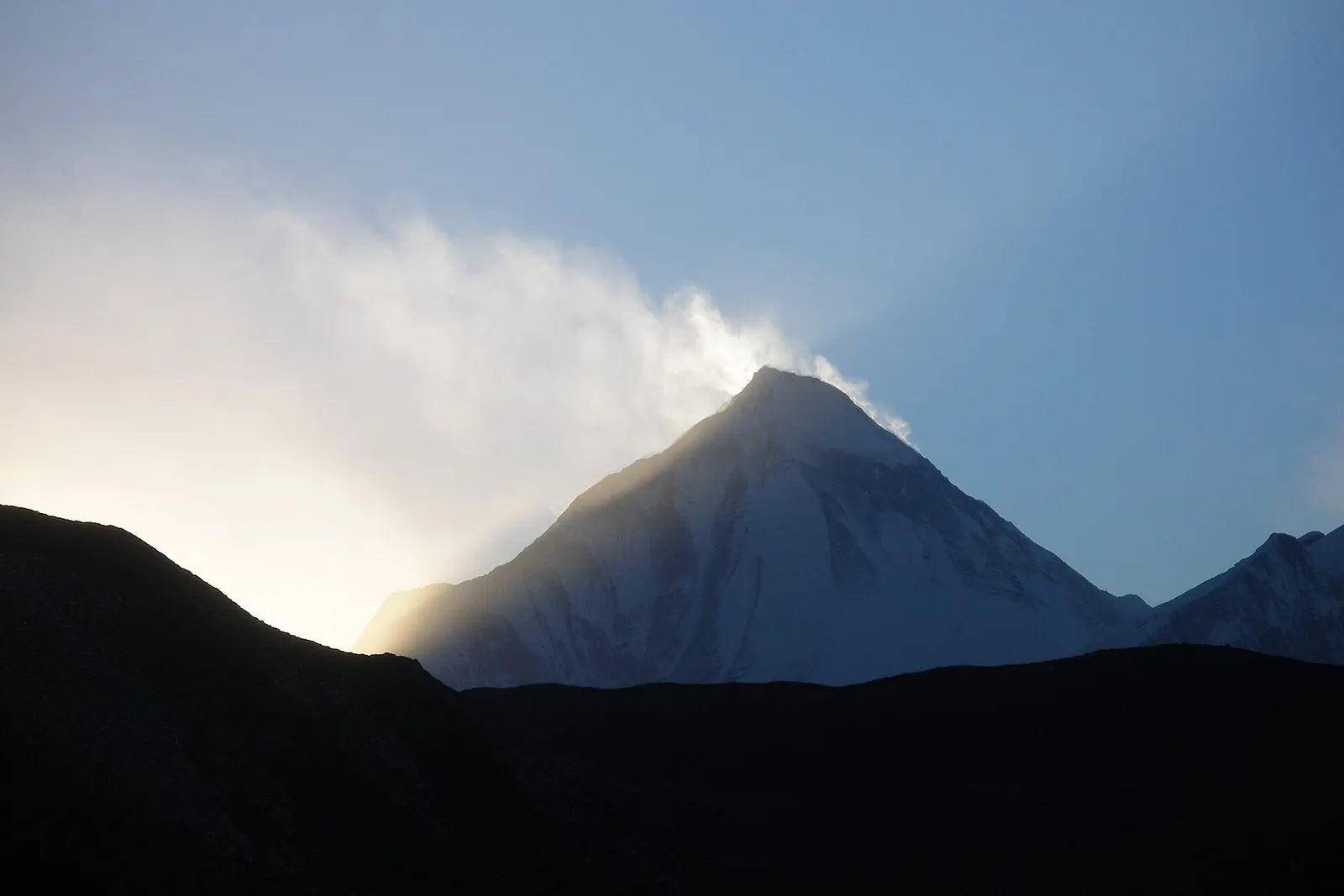
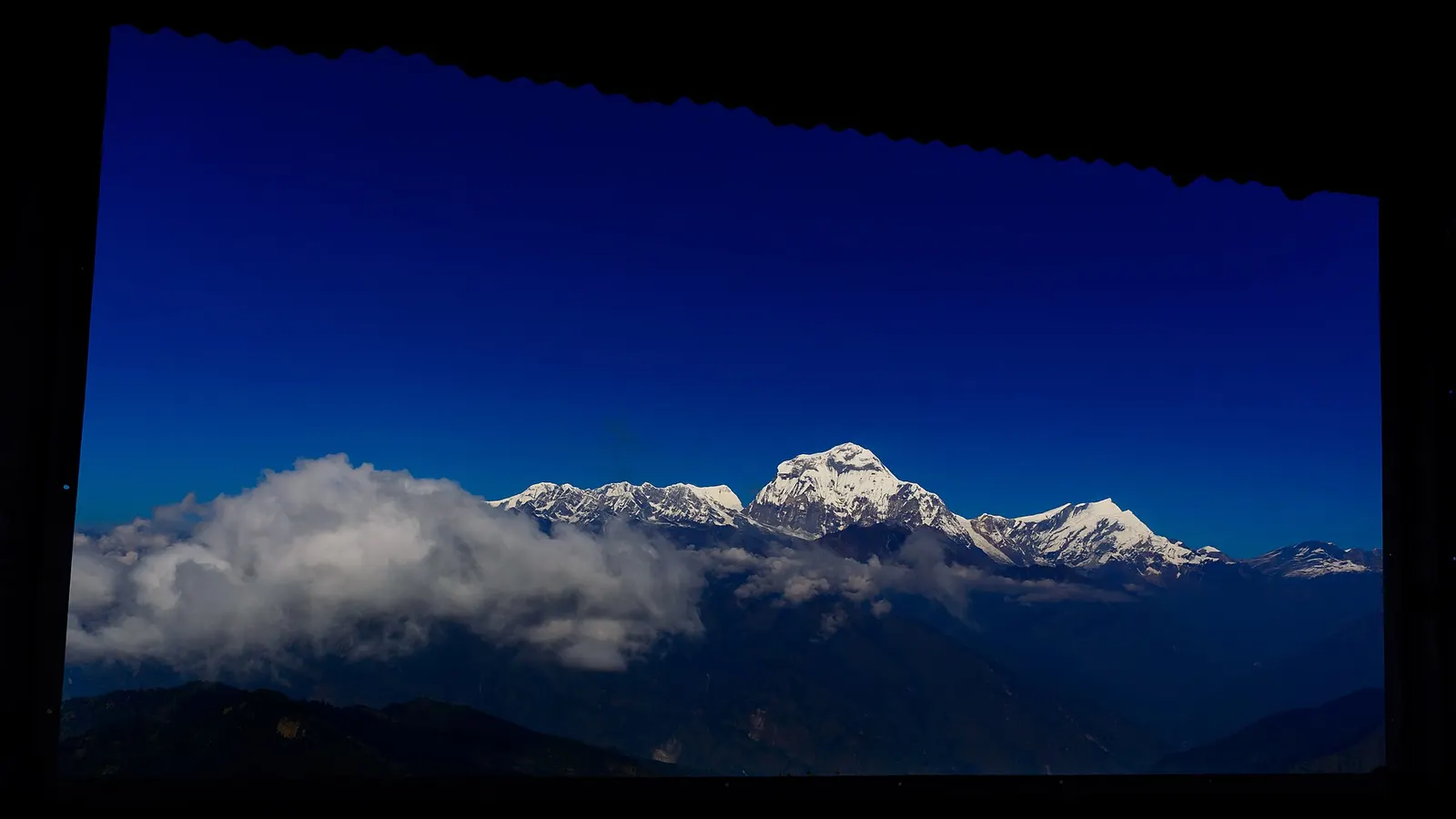
Dhorpatan was set up in 1987 and covers 1,325 km², making it one of the larger protected areas in Nepal’s mid-west. The government fact sheet puts its range from about 2,000 m at Taksera up to 7,246 m on Putha Hiunchuli. The heart of the reserve is the Dhorpatan valley, a wide grassland at around 2,900 m ringed by forest and snow peaks, with Churen Himal, Gurja Himal and Dhaulagiri on the skyline.
Everywhere else in Nepal, from Chitwan to the high Himalaya, hunting is banned. Dhorpatan exists to manage a small, controlled harvest of trophy animals under a strict yearly quota, with the money going back to the reserve and its communities.
What you can hunt
| Species | Nepali name | Where they live | Typical permits per season |
|---|---|---|---|
| Blue sheep (bharal) | Naur | Grassy ridges and alpine meadows above the treeline | About 10–14 |
| Himalayan tahr | Jharal | Steep cliffs and broken ground, often on south faces | About 7–10 |
| Wild boar | Bandel | Forest at lower altitudes | A handful, often left unused |
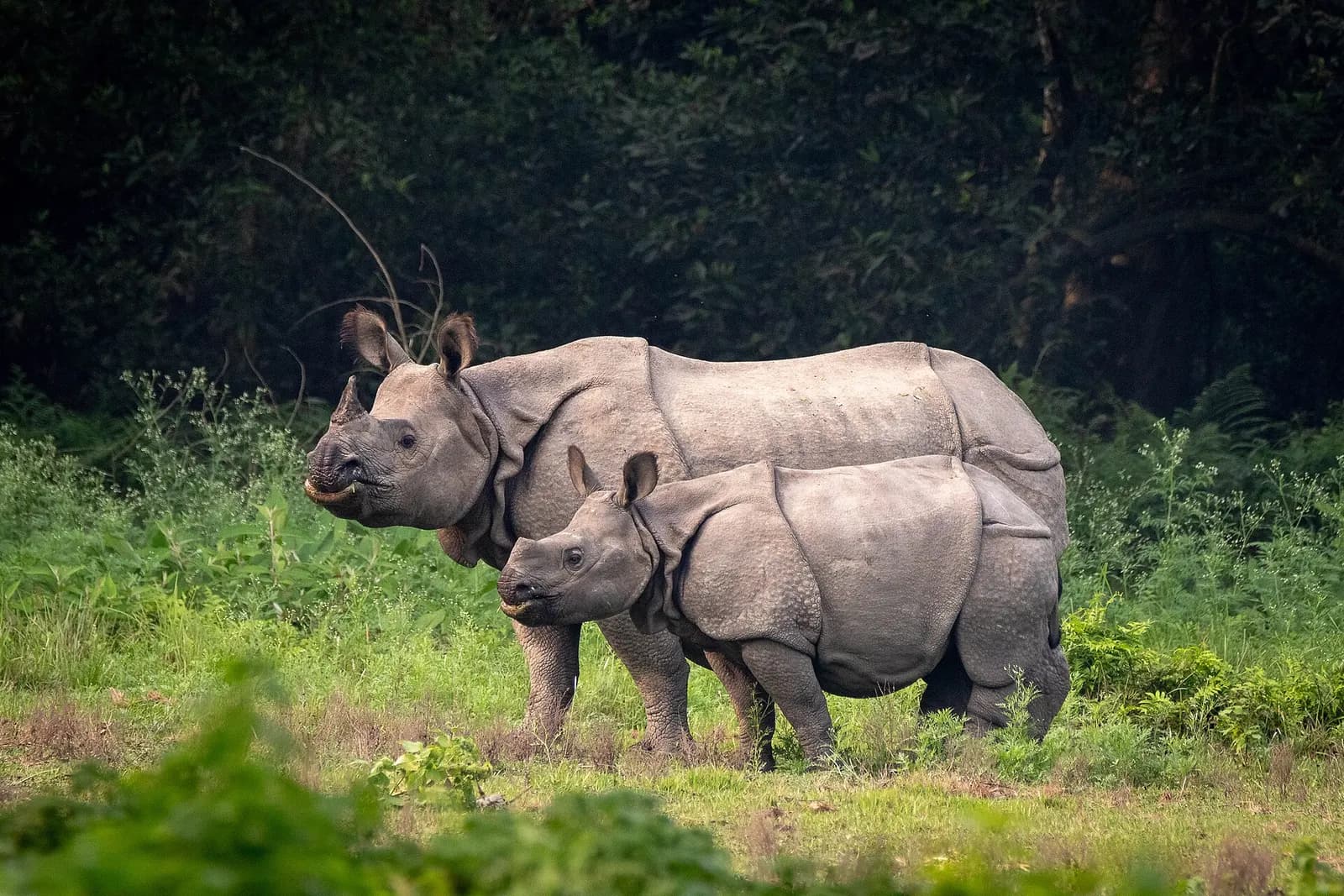
The blue sheep is the prize most hunters come for. Despite the name, it sits somewhere between sheep and goat, with a slate-grey coat that disappears against rock and heavy horns that sweep out and back in old rams. The Himalayan tahr is a shaggy mountain goat. In autumn and winter the mature bulls grow a long, reddish mane, and they live on ground so steep that the stalk is usually the hardest part of the hunt.
A 2021 census counted 1,290 blue sheep and 744 tahr in the reserve, and the quota takes a small share of them each year. For autumn 2026, reports put the permits at 10 blue sheep and 7 tahr. In spring 2026 there were permits for 14 blue sheep and 10 tahr, and hunters took 13 and 10.
Some animals in the reserve are never on any licence. These include the snow leopard, red panda, musk deer and the many birds of Dhorpatan, among them the danphe (Himalayan monal), Nepal’s national bird.
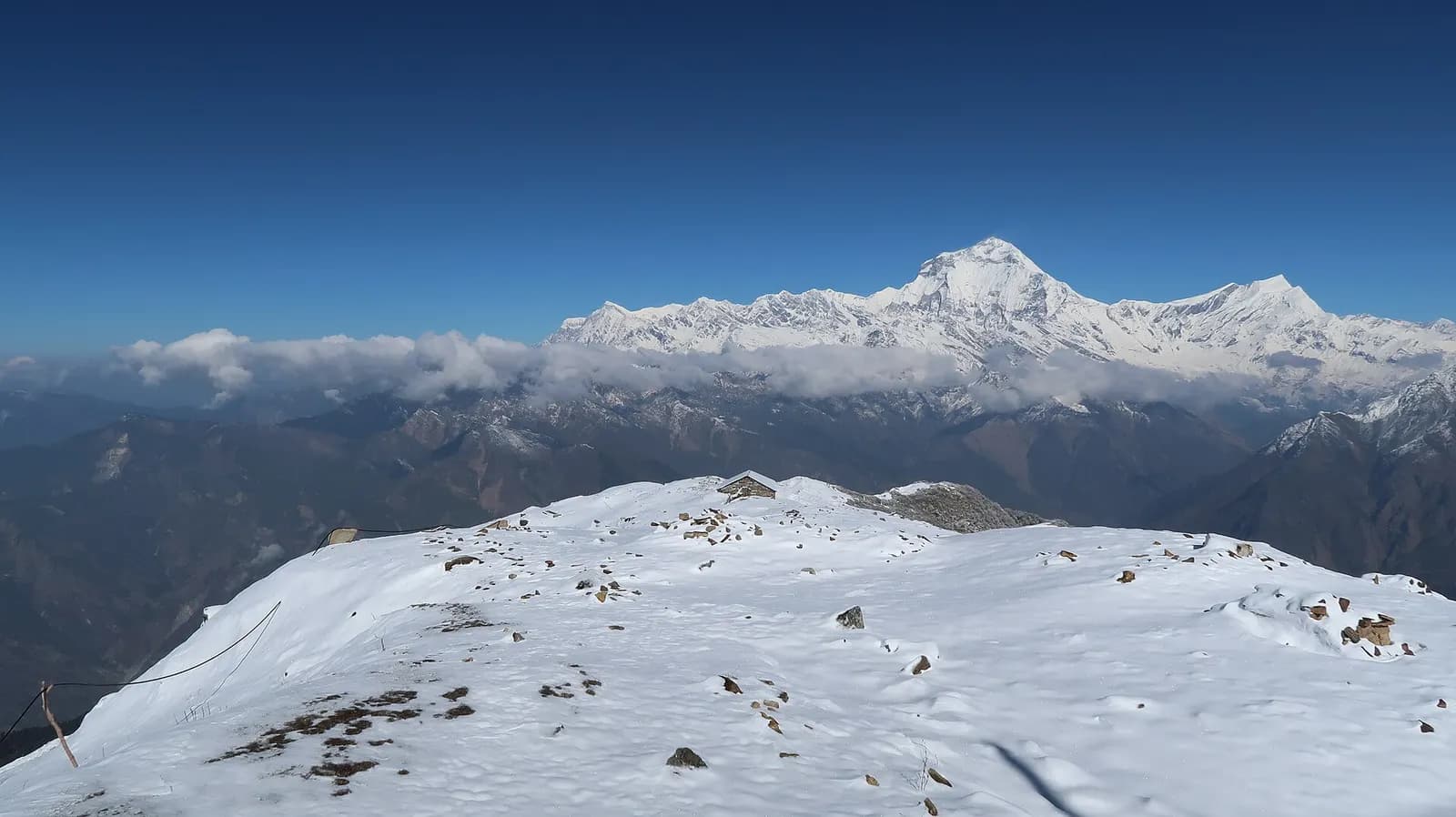
The hunting blocks
The reserve is split into hunting blocks, and each hunt is assigned to one block for its whole length. Most recent reports list seven:
- Fagune (Phagune). A favourite with outfitters, with both blue sheep and tahr.
- Barse. Open blue sheep country, with views of Dhaulagiri.
- Seng. Rich in game, with both species.
- Ghustung (Gustang). Both species, with views of Dhaulagiri.
- Dogadi (Dogari). High grassland with mountain views.
- Surtibang. Mainly tahr ground.
- Sundaha. Remote and rich in wildlife, but used less because it is so hard to reach.
Which block you get depends on your outfitter and the season’s permits. Ask which block your permit covers, how recently it was hunted and what the success rate has been there before you commit.
How a hunt works
You can’t simply buy a licence and turn up. A hunt at Dhorpatan goes through a set process:
- Choose a licensed outfitter. DNPWC licenses Nepali hunting companies, and only they can bid for permits and bring in foreign hunters. Several firms are active each season.
- The outfitter bids. Before each season, DNPWC sets the quota for each species and block, and permits go to the highest bids above a set minimum. In 2024 the minimums were Rs 150,000 for a blue sheep, Rs 75,000 for a tahr and Rs 10,000 for a wild boar. Real bids are usually far higher.
- Paperwork. Your outfitter arranges the hunting licence, the permit for your rifle and the customs clearance to bring it into Nepal, plus your visa letter.
- Into the mountains. Most hunting parties fly by helicopter from Pokhara or Kathmandu straight to camp. You then have up to 15 days in your block to find and take your animal, with a reserve game scout, a hunting guide, porters and a cook.
- The trophy. Your outfitter handles the measuring, the paperwork and the export permit. Check your own country’s import rules for blue sheep and tahr before you book, because they vary and they are your responsibility.
Expect long days on foot at 3,000–4,500 m, frosty nights in tents, and shots across valleys at animals that have lived their whole lives watching for snow leopards. Fitness matters as much as marksmanship. Hunters do go home empty-handed, through illness, weather or a missed shot.
What a hunt costs
| Item | Typical cost |
|---|---|
| Government minimum per blue sheep (2024) | Rs 150,000 |
| Recent winning bids for one blue sheep | Up to about Rs 2 million (roughly US$14,000–15,000) |
| Outfitter package, permit to trophy | About US$30,000–40,000 per hunter |
| Blue sheep and tahr combined hunt | Toward the top of that range or more |
Packages usually include the permit, licence and reserve fees, helicopter transfers, the camp and crew, and hotel nights in Kathmandu. Ask your outfitter in writing what is extra: rifle import, taxidermy and shipping, tips and extra days are the usual ones. Every figure here comes from recent news reports and outfitter listings, and prices move with each season’s bidding.
When to go
- Autumn (about September to November). The main season, with settled weather after the monsoon, clear views and rams in good condition. Tahr bulls start growing their winter manes.
- Spring (about February to April). Colder at the start, with snow on the high ground pushing animals lower, then warmer days and rhododendron in bloom by April.
Exact dates follow the Nepali months in each year’s hunting notice. The monsoon, from June to August, brings cloud, leeches and landslides on the roads, and no hunting. For trekkers, the reserve’s own advice is March–April and September–October. See our season-by-season guide for the rest of the country.
Getting there
| Route | How | Time |
|---|---|---|
| Kathmandu or Pokhara to camp | Charter helicopter | Same day |
| Kathmandu to Burtibang, via Baglung | Bus or private jeep | A long day |
| Burtibang to Dhorpatan (32 km) | Jeep, in season | About 2 hours |
| Beni (Myagdi) to Dhorpatan | On foot | About 3 days |
Almost every hunting party flies, because it saves days of travel and gets your rifle and gear into camp in one piece. Trekkers usually go overland through Pokhara and Baglung. Our Kathmandu to Pokhara guide covers the first leg. The road above Burtibang is rough and often closed by rain, so leave spare days either side.
Dhorpatan without a rifle
Most visitors to Dhorpatan never fire a shot, and the reserve rewards them. This is one of the least-visited corners of the Nepal Himalaya, with no teahouse crowds and no queues on the trail.
- The Dhorpatan valley. Wide meadows grazed by yak and horses, ringed by forest and snow peaks. Dhorpatan has had a Tibetan settlement since the 1960s, and its gompa and prayer flags give the valley a feel all its own.
- Bukipatan and the high meadows. Open grassland above the valley, where blue sheep graze in the early morning and late afternoon.
- Wildlife watching. The reserve has records of 32 mammal species and more than 130 kinds of birds. Bring good optics and a guide who knows where the herds feed.
- Big mountain views. Churen Himal, Gurja Himal, Putha Hiunchuli and Dhaulagiri, without another trekking group in sight.
Facilities are basic. Expect simple lodges or homestays in the villages, camping beyond them, and carry what you need. You’ll pay a reserve entry fee at the office. If you are combining Dhorpatan with other treks, our Nepal trekking permits guide explains the rest of the system.
Is hunting good for the reserve?
Supporters point out that the money from a few trophy animals each season pays for game scouts, anti-poaching patrols and local jobs. It also gives villagers a reason to keep blue sheep and tahr numbers healthy, rather than seeing them as competition for grazing, and the quota takes only a small share of the herds. Critics say the earnings still don’t cover what it costs to run the reserve, and that more could come from wildlife tourism. Both sides agree on one thing: the hunt only works if it stays legal, tightly counted and done through licensed operators.
Know before you go
- Only licensed outfitters. Book through a DNPWC-licensed Nepali hunting company. Anyone offering a hunt outside Dhorpatan, or without a permit, is offering poaching.
- Book early. Permits are few and bids open before each season, so start talking to outfitters months ahead.
- Get fit. You will be hunting on steep ground at 3,000–4,500 m. Build in time to acclimatise.
- Check your home country’s rules. Trophy import rules for blue sheep and tahr vary, so sort them out before you pay a deposit.
- Pack for cold. Nights in camp drop well below freezing in late autumn and early spring.
- Expect delays. Helicopters, roads and the weather all decide your schedule here, so keep a spare day or two in Kathmandu or Pokhara.
Dhorpatan is not an easy trip, and it isn’t meant to be. Whether you come for a ram on a high ridge or simply to watch a herd of blue sheep cross a meadow under Dhaulagiri, you’ll be one of very few people who have seen this side of Nepal.
Frequently asked questions
Can foreigners hunt in Nepal?
Yes, but only in Dhorpatan Hunting Reserve, and only through a hunting company licensed by Nepal’s Department of National Parks and Wildlife Conservation (DNPWC). The company bids for the permit, handles the paperwork and runs the hunt. You can’t apply as an individual.
What animals can you hunt at Dhorpatan?
Blue sheep (naur) and Himalayan tahr (jharal) are the trophy species, and wild boar is also on the quota. Snow leopard, red panda, musk deer and every other animal in the reserve are fully protected.
How much does a hunt at Dhorpatan cost?
Permits go to the highest bidder above a government minimum, and recent bids for a single blue sheep have reached around Rs 2 million (roughly US$14,000–15,000). Outfitter packages that include the permit, helicopter, guides and camp are advertised at about US$30,000 to US$40,000 per hunter. Prices change every season, so get a written quote.
When is the hunting season?
There are two seasons a year. Autumn runs roughly from September to November and spring from February to April, following the Nepali months set in each year’s notice. Each hunt must be finished within 15 days.
Can I visit Dhorpatan without hunting?
Yes. The reserve is open to trekkers, birdwatchers and photographers, and most of it is never hunted. March–April and September–October bring the clearest weather. Pay the entry fee at the reserve office and keep to the trails.